Nigeria passes major new wildlife law

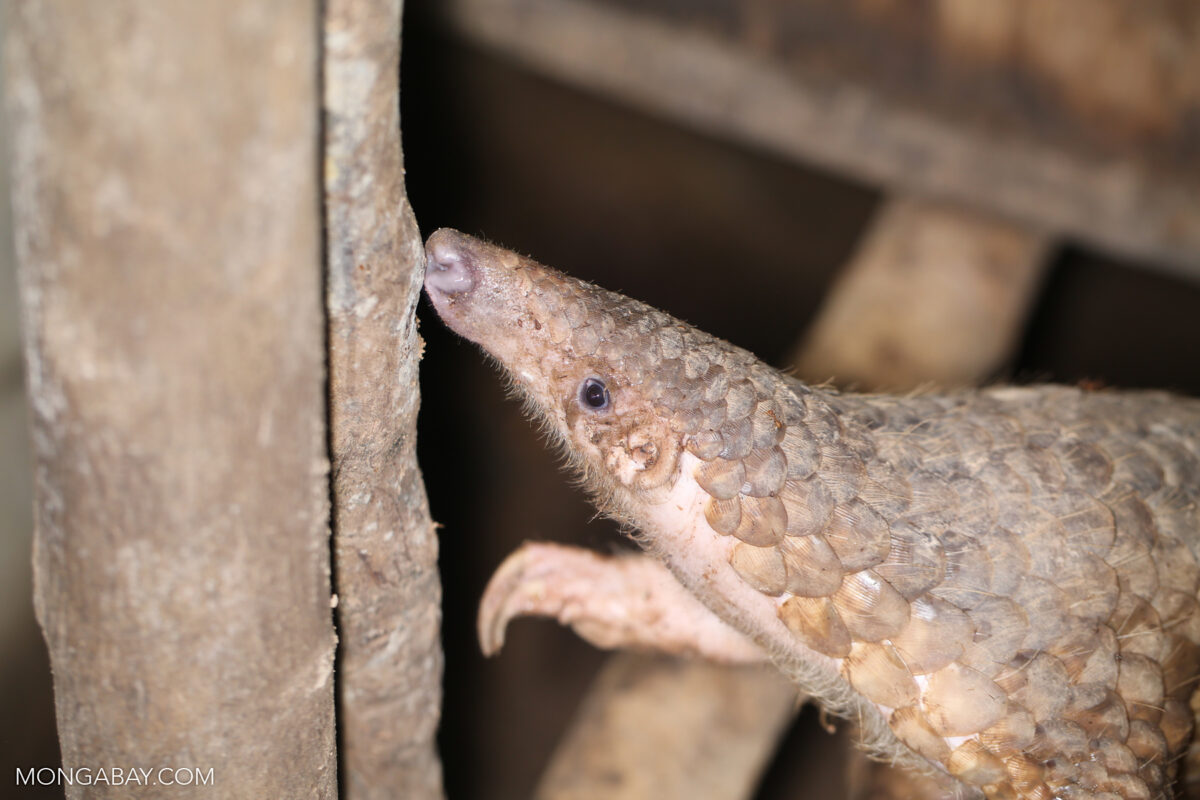
Nigeria’s Parliament has approved sweeping legislation to protect endangered species from traffickers, reports Valentine Benjamin. Once signed by the president, offenders caught trading elephant ivory, pangolin scales, or other products from threatened animals could face fines of up to 12 million naira ($8,300) and as much as ten years in prison. The law is among the toughest of its kind in West Africa. Yet even its supporters admit that laws are only as strong as their enforcement.

The Endangered Species Conservation and Protection Bill of 2024, passed by the Senate on October 28, brings Nigeria closer in line with international conservation treaties such as CITES.

“This new bill addresses long-existing gaps in our legal framework,” said Terseer Ugbor, the bill’s sponsor and deputy chairman of the House Committee on Environment. “The old law was riddled with ambiguities. It failed to specify whether its provisions applied only to international wildlife trade or also to domestic transactions.”

The new measure broadens the list of protected species, strengthens penalties, and allows courts to seize assets linked to wildlife crimes. It also gives agencies new powers to close the bureaucratic gaps traffickers have long exploited. Whether those tools will be used effectively is another matter.

Nigeria has for years been a global hub for illegal wildlife trade. Between 2010 and 2021, roughly a million pangolins—about 90,000 a year—are believed to have been trafficked through Nigerian networks. In 2024 alone, nearly 1.6 metric tons of ivory seized in Vietnam were traced back to Nigeria. Yet prosecutions remain rare; only a dozen convictions have been secured in the past three years.

“A law is useless without enforcement,” said Tunde Morakinyo of the African Nature Investors Foundation. 

Still, optimists hope that with stricter laws and coordination, Nigeria could move from being a trafficking hub to a leader in conservation.

Elephants on the edge

In northern Kenya’s Samburu National Reserve, elephants once starved and parched by drought now graze in knee-high grass. The rains that began in late 2023 transformed the landscape into a lush plain of acacia and tangled vegetation.

“These were salad days for the Samburu elephants,” writes journalist Hillary Rosner in ROAM: Wild Animals and the Race to Repair Our Fractured World, published by Patagonia. Her visit to the reserve early in 2024 captures both the beauty of recovery and the fragility of coexistence in a country racing toward modernity.

From a field camp beside the Ewaso Ng’iro River, researchers with Save the Elephants have tracked hundreds of individuals since 1997, fitting them with GPS collars that reveal “elephant highways” across northern Kenya. The data show how herds migrate in search of water and acacia seed pods, crossing communal grazing lands and private plots in intricate seasonal patterns. But those ancient corridors are fast disappearing. As Rosner observes, “by building roads and rail lines, putting towns and cities in the midst of elephant roads, and erecting fences that make it impossible for the animals to cross, humans are cutting off the elephants’ ability to move across the landscape.”

Kenya’s push to achieve middle-income status by 2030 hinges on vast infrastructure projects: railways, highways, and new towns springing up along transport routes. The Standard Gauge Railway—funded by China’s Belt and Road Initiative—has already bisected two national parks. The next wave of expressways and private land conversions threatens to wall off the remaining migration routes entirely.

Rosner’s account centers on one such bottleneck near the settlement of Oldonyiro, where GPS maps show the animals’ meandering tracks condensing into a single line—a narrow, perilous passage through encroaching development. Conservationist Benjamin Loloju, a local Samburu who earned an “elephant scholarship” from Save the Elephants, works with communities to mark and preserve corridors before they vanish. Yet even he admits, “We already think maybe we have been late for Oldonyiro.”

The elephants adapt, forging new routes where they can, but each fence and erosion gully narrows their options. Rosner’s narrative makes plain what data alone cannot: that Kenya’s test of progress is not only economic. The country’s future—and that of its elephants—depends on whether it can build prosperity without severing the ancient paths that bind the wild to the human world.

An excerpt from ROAM.

Rescued African gray parrots return to Democratic Republic of Congo’s forests

In the forests of Maniema province, fifty African gray parrots soared back into the wild this October, marking a small victory against one of Central Africa’s most persistent wildlife crimes. The birds had spent a year recovering at a sanctuary run by the Lukuru Foundation after being rescued from traffickers. Since its creation, the foundation has rehabilitated nearly 400 parrots, but much work remains, reports Didier Makal.

A new decree issued in July 2025 bans the capture, trade, and possession of African gray parrots in the Democratic Republic of Congo. Yet poaching continues. “It is good to have a ministerial decree banning poaching, but there needs to be action on the ground,” said conservationist Corneille Kalume.

The trade is brutal: only a third of captured birds survive the journey from forest to buyer. 

The Lukuru Foundation and the Congolese conservation agency have established rehabilitation centers across the country, including a new one at Kisangani Zoo. Caring for the birds is costly—feeding 100 parrots can exceed $2,000 a month—but the greater challenge lies beyond the cages. Conservationists fear that once released, the same parrots could be caught again, unless enforcement and community engagement take flight alongside them.

The Forest Stewardship Council’s will vote on new traceability rules amid fraud allegations

This week the Forest Stewardship Council (FSC) will vote on whether to build a global volume-tracking system—an effort to plug the holes through which, critics say, billions of dollars in fraudulent wood slip each year, reports Philip Jacobson.

The Bonn-based group’s tick-tree logo appears on everything from tables to tissue boxes, a promise that forests were managed responsibly. But insiders and watchdogs argue the certification often rests on faith.

“It’s a trust-based system,” says Sam Lawson of Earthsight. His group estimates that up to $30 billion of falsely labeled wood moves through FSC supply chains annually.

FSC rejects that as speculation, insisting its audits, wood-sample tests, and “transaction verifications” safeguard integrity. Yet even a senior official concedes fraud remains widespread. The system’s flaw is structural: companies report to outside auditors but not to any central database, leaving no way to reconcile what goes in with what comes out.

A proposal backed by WWF and U.K. retailer Kingfisher—known as Motion 30—would require companies to record trades in a unified ledger, possibly blockchain-based. Business members, wary of cost and bureaucracy, have blocked similar ideas before.

Supporters say this time the stakes are higher. Since Russia and Belarus were expelled from the scheme in 2022, certified forests have shrunk by nearly a third while the number of licensees has grown. The math, as one FSC insider put it, “doesn’t add up.”

See Jacobson’s piece at https://news.mongabay.com/2025/10/fsc-to-vote-on-new-traceability-rules-amid-fraud-allegations/

A rare bloom transforms Sri Lanka’s highlands, turning its hills violet

Every dozen years or so, Sri Lanka’s misty highlands erupt into a fleeting spectacle of color. Across the Horton Plains, slopes shimmer in violet, pink and white as native shrubs known collectively as nelu bloom in unison. Belonging to the genus Strobilanthes, these plants flower together, set seed and die, transforming the grasslands into a living mosaic before fading away. The synchronized flowering, a marvel of ecological timing, remains only partly understood, reports Malaka Rodrigo.

Researchers say the nelu’s mass blooming is an evolutionary gamble. By releasing enormous quantities of seed at once, the plants overwhelm predators such as rodents and insects, increasing the odds that some seeds will germinate, said Siril Wijesundara of Sri Lanka’s National Institute of Fundamental Studies. The bloom also draws pollinators, particularly giant honeybees that migrate from the coast to the hills each year, perfectly timed to the floral feast.

The phenomenon has fascinated scientists for more than a century. British naturalist Thomas Farr first documented the 12-year cycle in the late 1800s, predicting future blooms with uncanny accuracy. Botanists forecasted the latest event for 2024-25, and the hills have again proved them right.

Yet beauty brings burden. Visitor numbers to Horton Plains have tripled during the bloom, leaving trails eroded, shrubs trampled and litter scattered across fragile habitats. Park officials have urged restraint, fearing that invasive plants like mistflower and blue stars could colonize spaces left bare after the nelu die-off.

Ecologists warn that climate change may disrupt the subtle cues that synchronize the plants. Protecting the nelu’s rhythm, they say, will require more than admiration: it will demand careful management to ensure the hills turn violet again a dozen years from now.

“Sleeping jaguars”: Female guardians mobilize to defend their territory in the Amazon

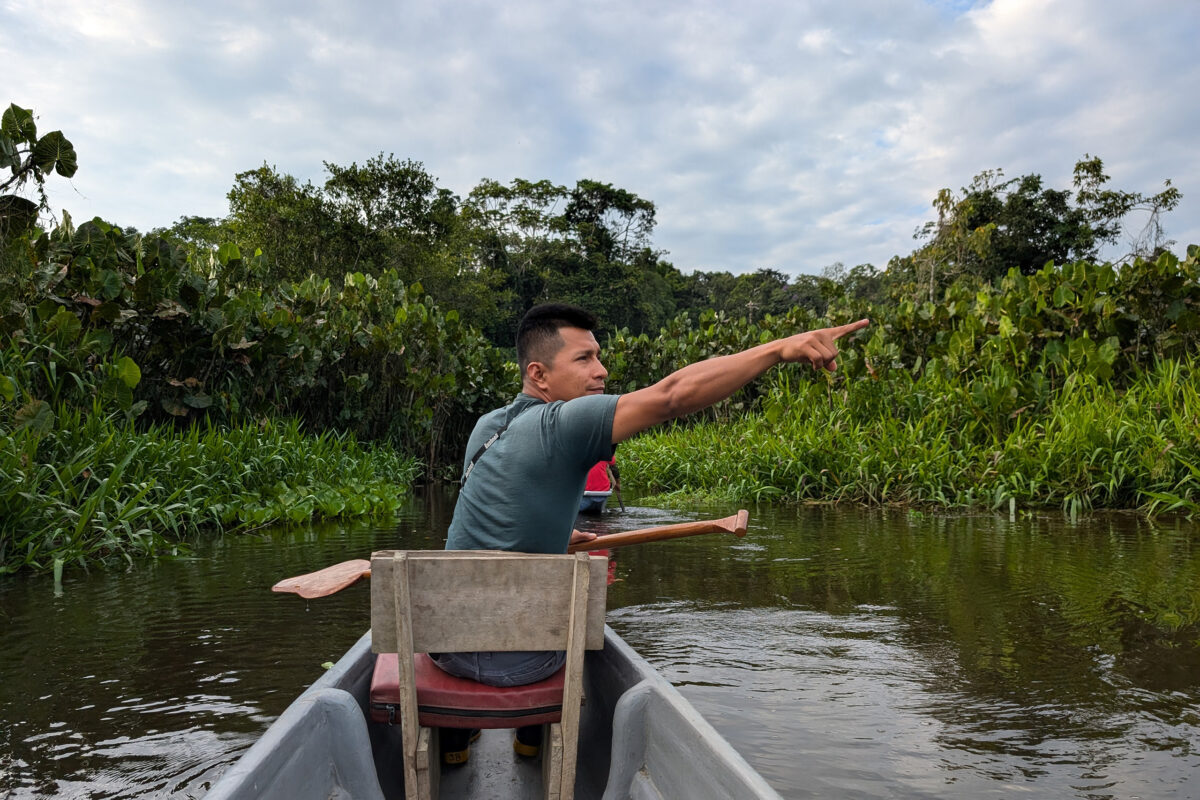
Deep in Ecuador’s Amazon, where the Bobonaza River curls through thick jungle, the Kichwa community of Pakayaku has done what few others have managed: kept industry out. For generations, its residents have shielded 40,000 hectares of rainforest from loggers, miners, and oil companies. Their isolation—reachable only after hours by road and boat—has become both refuge and resistance, reports Brandi Morin.

Leadership in Pakayaku is collective and deliberate. Every major decision passes through a 22-member council, a structure that ensures consensus rather than command. At its heart is an enduring strength: humility, loyalty, and dignity, values that guide daily life as well as defense. The community’s “plan of life,” a document six years in the making, maps not only their territory but also their future—an education rooted in Kichwa traditions and economic alternatives that keep the forest standing. One such effort, a reforestation project of 250,000 cacao trees mixed with native fruit species, aims to sustain 250 families without resorting to extraction.

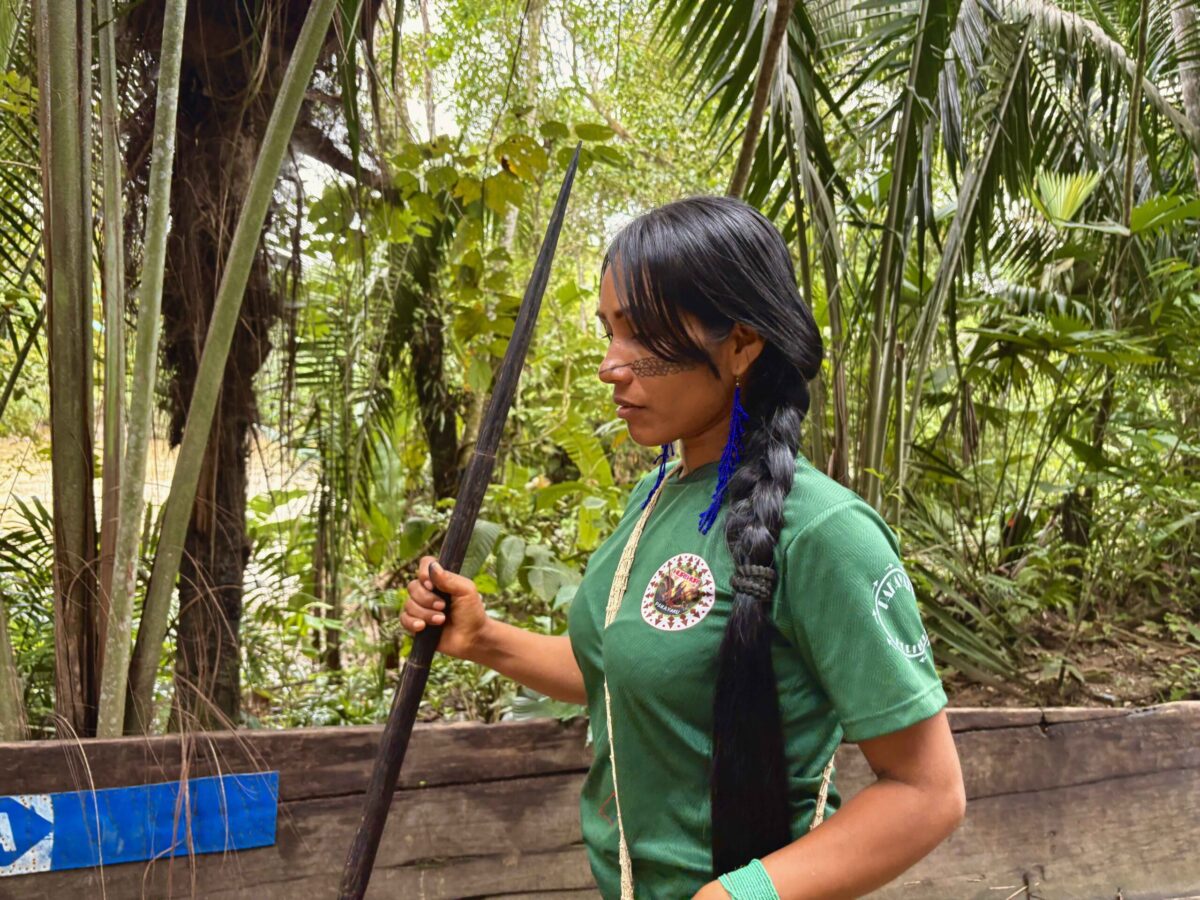
Among Pakayaku’s most striking defenders are its women. Captain Gracia Malaver leads 45 female guardians who patrol the forest armed with spears carved from palm wood. Sixteen are on constant duty, the rest the “sleeping jaguars,” ready to mobilize when threats arise. “Our grandmothers used to do this,” Malaver says. “That’s why we are continually training to be warriors.” The guardians move like mist through the trees, watching for illegal miners or intruders, including officials who enter without permission. Those caught are detained until agreements are reached—a reminder that in Pakayaku, sovereignty is enforced from within.

That vigilance faces new strain. President Daniel Noboa’s government, under pressure to revive the economy, has reopened the mining registry and invited foreign investors into the energy sector. A proposed road for petroleum extraction could cut through Pakayaku’s ancestral lands. Critics warn that merging the environment ministry with energy and mines, and tightening regulations on NGOs, will weaken protections for Indigenous territories.

Yet Pakayaku’s president, Ángel Santi, remains composed. “We haven’t allowed any extractivist activity in our territory—no mining, no oil drilling, no logging,” he says. “We keep the rainforest alive.”

Indigenous communities protect Colombia’s uncontacted peoples

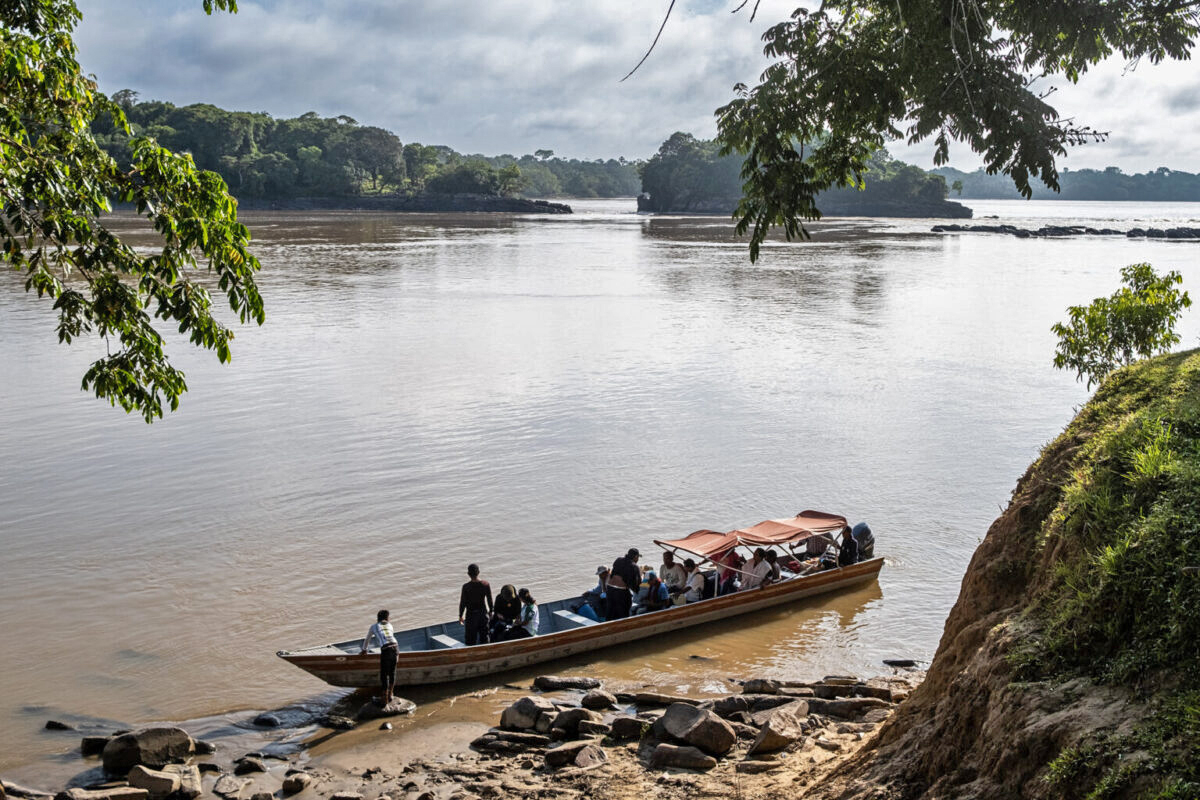
For more than a decade, two Indigenous communities deep in Colombia’s Amazon have been safeguarding those who wish to remain unseen, reports Pilar Puentes. The residents of the Curare-Los Ingleses Indigenous Reserve and the neighboring Manacaro community have built an extraordinary system of surveillance and stewardship to protect uncontacted peoples such as the Yuri and Passé—tribes that continue to live in voluntary isolation.

Their vigilance, combining ancestral wisdom and digital tools, led the government in October 2024 to formally recognize the existence of two such groups, ending a century of speculation. The decision owed much to the patient accumulation of evidence: faint footprints, scattered seeds, traces of fire. The Indigenous monitors’ efforts filled the void left by the state, which has been largely absent from this conflict-ridden region. Armed groups, illegal miners, missionaries, and traffickers now press upon the boundaries of lands that had once been untouched.

In the face of danger, women from Manacaro have stepped into roles long reserved for men, steering canoes along the rivers, collecting data, and recording threats. Their work, supported by the Amazon Conservation Team (ACT) and local associations, now spans thousands of hectares. Using GPS, georeferencing programs, and tablets, they track wildlife and human incursions, and their findings feed into national policymaking through Colombia’s Commission for the Protection of Indigenous Peoples in Isolation.

The communities’ maps are more than technical records. They are spiritual documents that intertwine geography with belief. Before every patrol, elders perform rituals at a control post named Puerto Caimán, asking for protection from the forest and permission from the unseen tribes. These ceremonies acknowledge that the act of watching is itself a relationship—one that must honor both distance and kinship.

Despite the spread of violence and mining, the network of Indigenous monitors remains the most reliable line of defense for Colombia’s uncontacted peoples. Their vigilance has not only confirmed existence, but preserved absence: the right to remain invisible. As one leader, Ezequiel Cubeo, put it, “We are uniting to protect our isolated brothers, because the territory is very large.” In a forest where the state cannot safely enter, these quiet guardians ensure that some parts of humanity may still choose to live beyond its reach.

Bangladesh to reintroduce captive elephants to the wild

Bangladesh has embarked on an ambitious plan to end the centuries-old practice of keeping elephants in captivity, reports Abu Siddique.

The government has begun retrieving privately owned elephants and aims to rehabilitate them in the wild. The initiative follows a 2024 High Court order banning cruelty to wildlife and illegal use of animals for labor or entertainment.

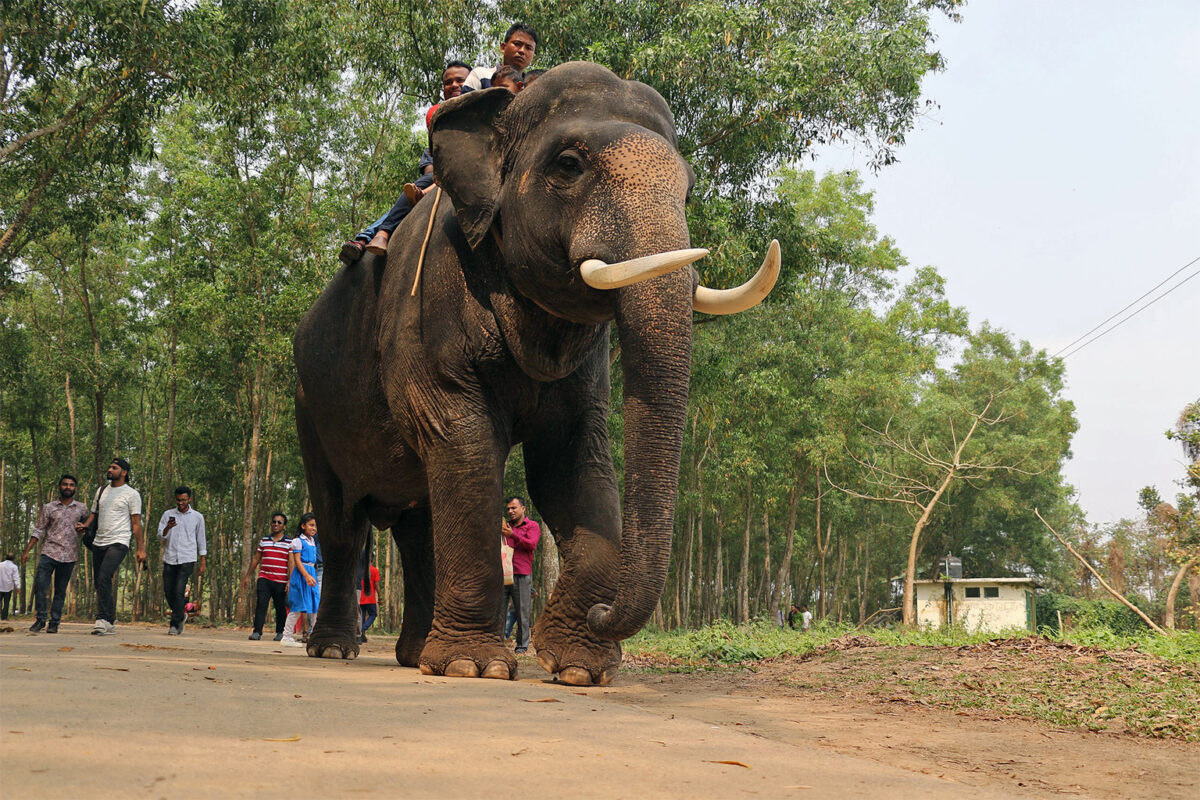
The country’s elephant population is small and fragile. According to a government report, only 268 wild elephants remain in Bangladesh’s southeastern forests, alongside 96 in captivity. Once used for logging and transport, captive elephants are now illegally exploited in markets and towns, often in harsh conditions that have led to deaths from heatstroke.

The project will survey elephant populations, buy animals from owners, and prepare forest sites for rewilding. Two potential sanctuaries—Rema-Kalenga and Chunati—are under review. Officials acknowledge the difficulties ahead, from disease risks to the loss of wild instincts among long-domesticated elephants. Yet they insist that ending captivity is essential for both welfare and conservation. As one adviser put it, “the elephants will never be back in captivity.” 

If successful, Bangladesh’s experiment could become a model for other Asian nations struggling to reconcile tradition with the ethics of conservation.

One man’s mission to rewild a dying lake

From a hillside overlooking Lake Toba, the vast volcanic basin at the heart of Sumatra, Wilmar Eliaser Simandjorang looks down on what he calls both a blessing and a warning, reports Sri Wahyuni. 

Once the first district leader of Samosir, Wilmar has spent his retirement rewilding parts of this landscape sacred to the Batak people. “If we don’t pay attention to this, Lake Toba will be just a memory,” he said.

That memory is fading fast. Pollution, logging, and unchecked plantations have clouded the waters of what was once among Indonesia’s purest lakes. “The forest is being cut down, both legally and illegally—biodiversity is being burned,” Wilmar said. “Rainwater is just running off; it carries ash, trash and pesticides into the lake.” Research published in 2024 confirmed nitrogen levels above national safety thresholds, threatening fish and water quality.

The deterioration stings for those who remember when people would ask travelers to bring back a flask of Toba’s crystal water. “Now? Just cooking rice with it will smell,” Wilmar said. He has watched the district lose nearly a quarter of its old-growth forest since 2002. Yet he persists, planting trees, urging families to blend fruit and forest crops, and teaching children to see trees, birds, and soil as kin. “I believe forests will be sustainable if people feel they are part of their lives,” he said.

His modest crusade has taken place as larger institutions stir. This year the Batak Protestant Christian Church, Indonesia’s biggest, called for the closure of PT Toba Pulp Lestari, the dominant plantation company blamed for decades of conflict and ecological damage. “The most painful fact is that the presence of PT TPL has triggered various social and ecological crises,” declared the Reverend Victor Tinambunan. The firm denies wrongdoing.

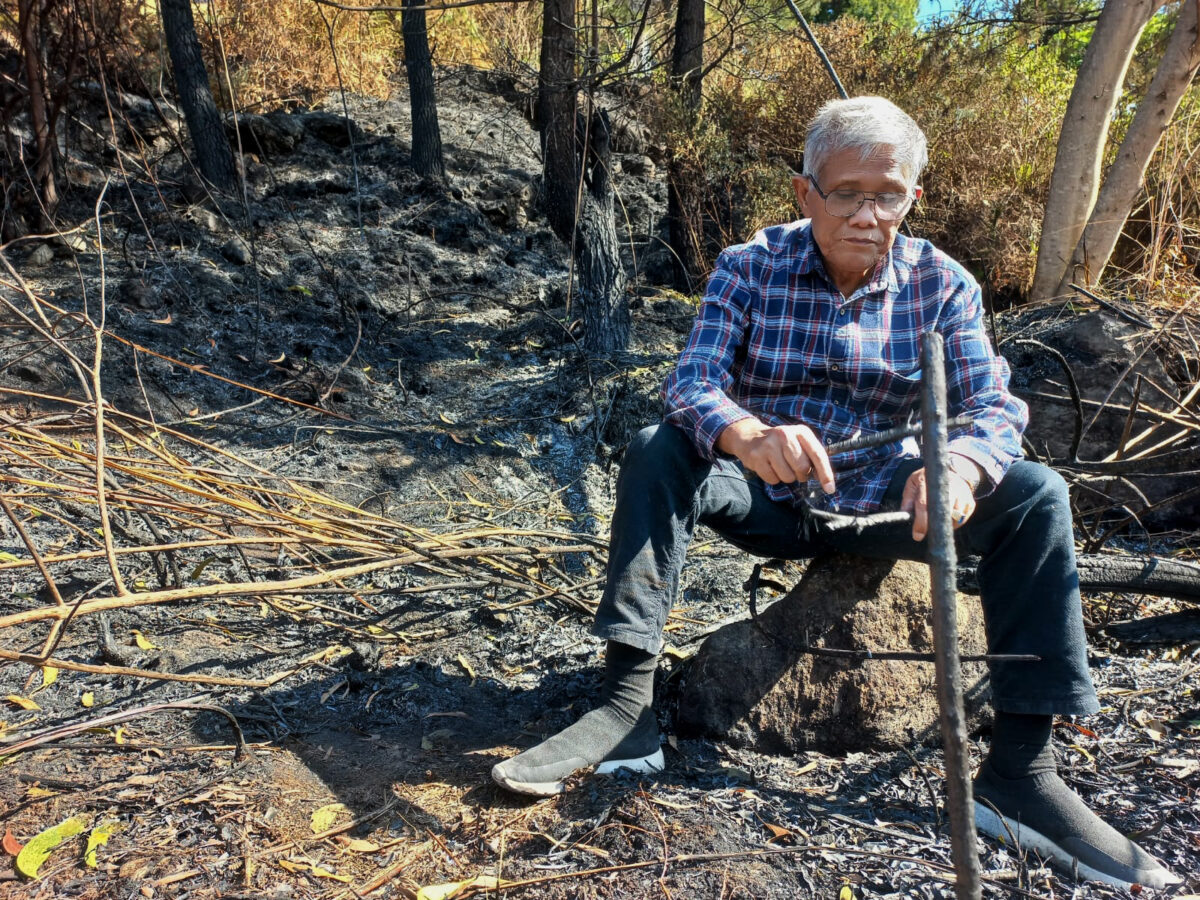
Fires have since scorched 16 hectares of land Wilmar spent years re-greening. “The land I turned green, which was just starting to show results, went up just like that,” he said. Yet he continues to plant and to preach renewal, even after threats from illegal loggers and indifference from officials. His faith, rooted in duty rather than reward, remains unshaken. “We can turn this destruction into hope,” Wilmar said. “But it takes will, knowledge, and love.”

The price of a monkey

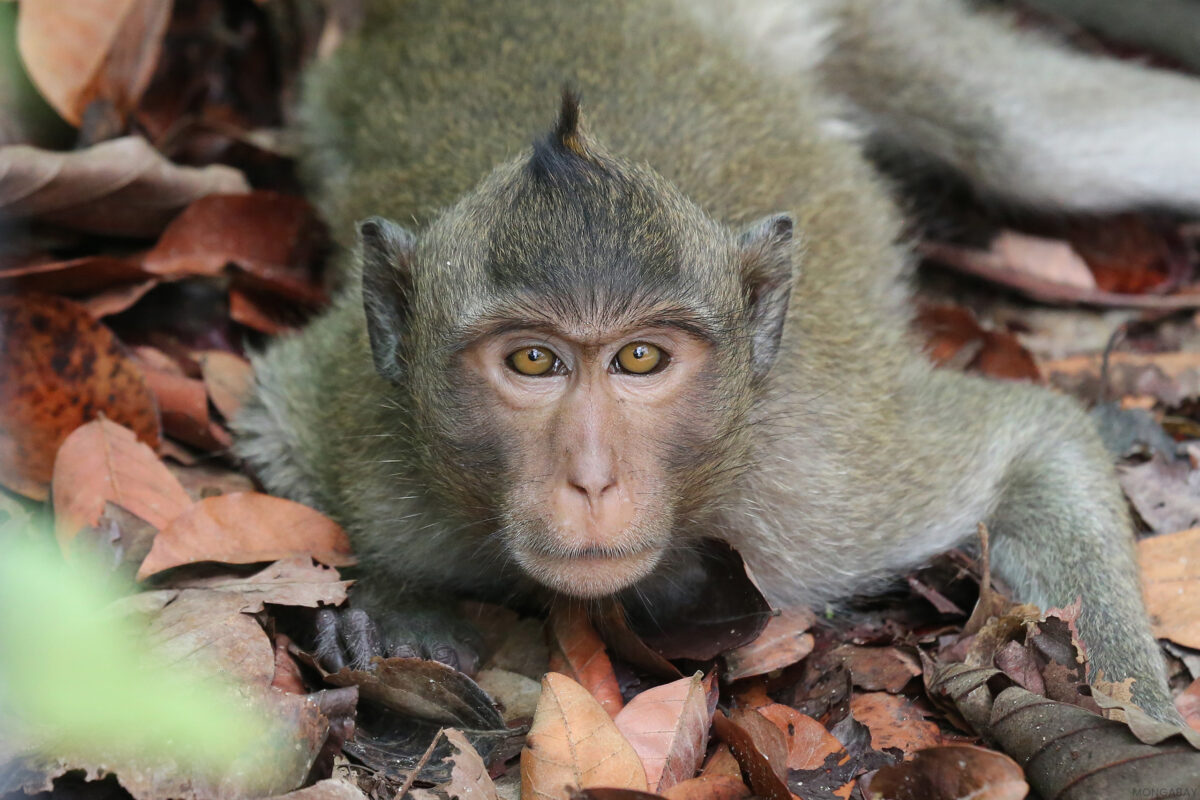
The long-tailed macaque has lost a battle for its survival—but won one for scientific integrity. In early October the International Union for Conservation of Nature (IUCN) reaffirmed the species’ endangered status, rejecting an appeal by the U.S. National Association for Biomedical Research (NABR). The lobby group had argued that the listing impeded vaccine and drug development, since laboratories rely heavily on macaques for testing.

The IUCN first elevated Macaca fascicularis from vulnerable to endangered in 2022, after evidence emerged that wild monkeys were being laundered into “captive-breeding” farms across Cambodia, Laos, and Vietnam. Its latest review found that wild populations have fallen by as much as 70% over the past three decades.

“I’m happy to see science prevail, but I’m not happy to see the long-tailed macaques endangered,” said Malene Friis Hansen of Aarhus University, a co-author of the assessment. “That we’ve pushed such an adaptive synanthrope to this stage should be an eye-opener.”

The COVID-19 pandemic intensified demand. When China halted exports in 2020, Cambodia’s shipments nearly doubled. Reports soon surfaced that supposed captive-bred macaques were, in fact, trapped in the wild and funneled through state-linked farms. American prosecutors later alleged Cambodian officials’ complicity in the trade, though few have faced consequences. The industry, meanwhile, has prospered: wild monkeys can fetch a few hundred dollars, while laboratory buyers pay tens of thousands.

The NABR insists the IUCN’s process was tainted by “emotive” language and conflicts of interest, allegations the conservation body dismissed after an internal inquiry. It has pledged to “educate policymakers” about what it calls an overreach of environmental science. Yet Hansen asks a sharper question: “If these companies claim they’re only using captive-bred monkeys, then why are they so concerned about the IUCN listing?”

Beyond laboratories, macaques suffer from the pet trade and from viral social-media cruelty videos, where abuse is monetized for clicks. Habitat loss and persecution complete the toll. The species’ apparent abundance at tourist sites masks its disappearance from the forests it once dominated. For a primate known for its adaptability, that may be the cruelest irony of all.

In Indonesia’s courts, truth can be a lonely witness.

For more than two decades, professors Bambang Hero Saharjo and Basuki Wasis of the Bogor Institute of Agriculture have stood where science meets power, testifying against companies accused of torching forests and draining peatlands. Their measurements of ash and carbon and their calculations of hectares lost have given judges a way to translate ecological ruin into the dry language of liability. For that service to the public, they have been repaid with lawsuits, harassment, and danger, reports Rendy Tisna.

Last October a court in Bogor, west of Jakarta, offered a rare reversal: it dismissed a civil suit brought by PT Kalimantan Lestari Mandiri, a palm-oil firm once fined for fires that scorched more than 800 hectares of Borneo peat. The company had sought billions of rupiah in damages from the very experts whose testimony helped convict it years earlier. The judges ruled for the scientists. “Hopefully this will set a good precedent to protect environmental defenders,” Bambang told Mongabay Indonesia after the verdict.

It was the fourth such case he has endured. Each time, the aim has been less to win than to exhaust—one more strategic lawsuit against public participation, designed to make truth-telling unbearably costly. “If we keep getting sued like this,” he warned, “the environment will become increasingly neglected.”

Their victory was cheered by activists and the environment minister alike, who called the suit a “form of SLAPP” and praised the decision as proof that Indonesia’s judiciary could still defend its defenders. Yet it is a fragile shield. Dozens of scientists, journalists, and campaigners have faced similar tactics, and enforcement of environmental judgments remains weak. The fires continue to burn.

Both men might have chosen easier paths. Their expertise in forestry and soil science could have earned them corporate consultancies or quiet academic lives. Instead they have lent credibility to the state’s most controversial prosecutions—often at personal cost, under threat, sometimes alone. In 2019 Bambang received the John Maddox Prize for standing up for science; the honor did little to stop the attacks.

What sustains them is a conviction that evidence matters, even when power denies it. They keep returning to court, peat samples in hand, as if proof itself were an act of faith.

“The environment,” Bambang once said, “is the lifeblood of the planet, and we must protect it together.”

Scientists discover world’s 1,500th known bat species

From the slopes of a volcano on Bioko Island in Equatorial Guinea comes the 1,500th bat species known to science, reports Shreya Dasgupta.

Researchers have named it Pipistrellus etula—“etula” meaning “island” or “nation” in the Bubi language. The tiny insect-eating pipistrelle marks a symbolic milestone for mammalogy and a reminder of how much remains undiscovered. “It reminds us how much biodiversity remains undocumented, particularly in under-surveyed regions like Central Africa,” said Laura Torrent, lead author of the study.

The discovery traces back to 1989, when a handful of specimens were first caught near Bioko’s Biao Peak. Decades later, genetic analyses confirmed they represented a new species adapted to montane environments where no other vesper bats are known.

Scientists warn that logging, construction, and rising temperatures could threaten its fragile volcanic habitat—a microcosm of broader conservation challenges.

Group of critically endangered Tapanuli orangutans discovered in Sumatra peat swamp

A remarkable discovery has redrawn the map of one of the world’s rarest great apes. For years, scientists believed the critically endangered Tapanuli orangutan lived only in the Batang Toru forest of North Sumatra. Now, researchers have confirmed the species’ presence some 20 miles away, in a peat swamp forest near Lumut Maju village—a finding that could reshape conservation strategies for the world’s most threatened ape, reports Junaidi Hanafiah who saw and photographed a mother and infant Tapanuli orangutan firsthand on assignment for Mongabay-Indonesia Indonesia.

The team from the Sumatran Orangutan Conservation Programme and the Orangutan Information Centre (YOSL-OIC) first heard local reports of orangutans in 2022. After years of monitoring and DNA testing, they verified that the apes were indeed Pongo tapanuliensis. “We found new nests that we categorized as class one nests, which we can confirm to have orangutans,” said YOSL-OIC’s Rio ardi.

The discovery brings both excitement and alarm. Lumut Maju’s forest is unprotected and shrinking fast, cleared for oil palm plantations until less than 1,000 hectares remain. With the local population likely under 100 individuals, isolation poses a severe survival risk. For conservationists, the finding underscores both the species’ resilience and the urgency of protecting the few forests they have left.

Newly-discovered fungus can hold the weight of a person

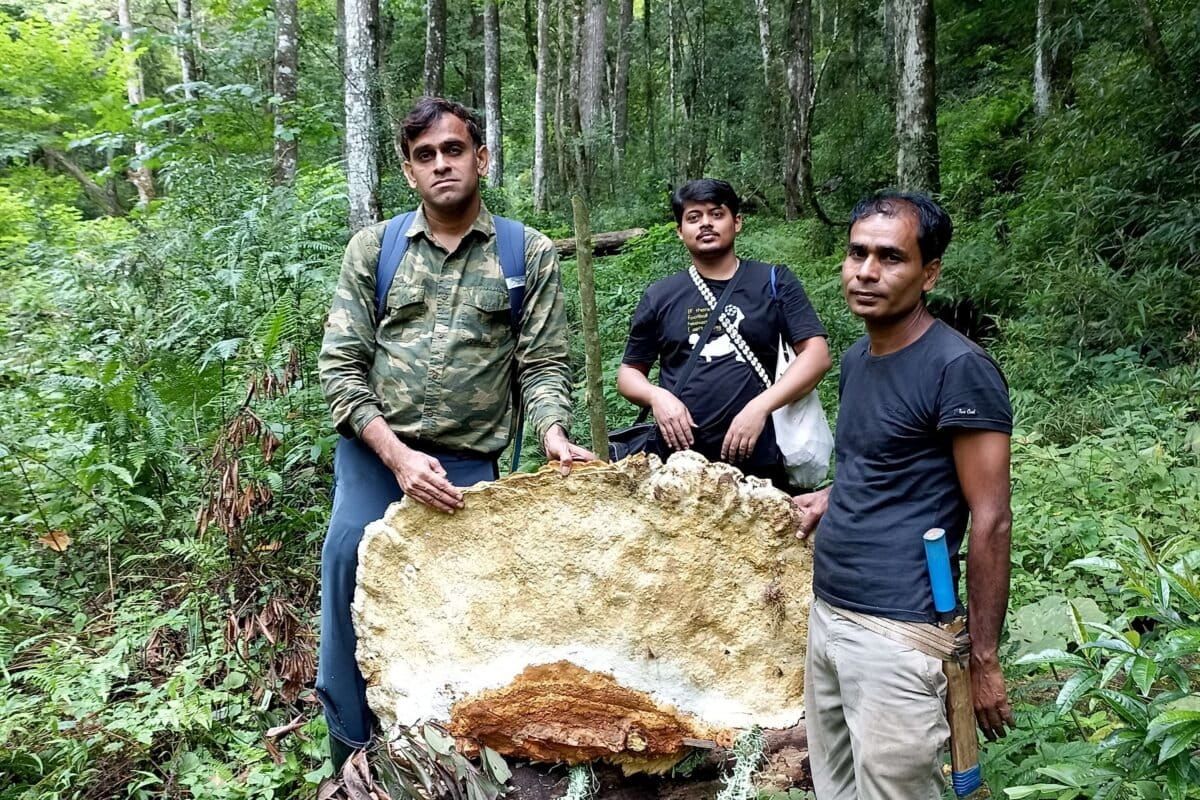
From the misty forests of Arunachal Pradesh, India, comes a discovery that has surprised even veteran mycologists, reports Divya Kilikar for Mongabay India. Researchers from the Botanical Survey of India have described Bridgeoporus kanadii, a fungus so large that “I could sit on it, and it remained firmly attached to the tree,” said lead author Arvind Parihar.

The species, named for Indian mycologist Kanad Das, grows on old fir trees and can reach over three meters across—twice the size of its North American relative, B. nobilissimus.

Though new to science, locals have long known the inedible fungus. Like others in its genus, B. kanadii performs quiet ecological labor, breaking down dead wood and recycling nutrients.

“The lens with which we look at fungi is far too limited,” Parihar observed. “Without fungi, forests will be full of debris, logs and leaf litter left undecomposed.”

Regenerative fashion initiative in Indonesia wins 2025 Pritzker Environmental Genius Award

In a world defined by extraction, Denica Riadini-Flesch is showing that creation can heal instead. The Indonesian economist-turned-entrepreneur has won UCLA’s 2025 Pritzker Emerging Environmental Genius Award for building a “farm-to-closet” supply chain—a system that regenerates land, restores heritage craft, and empowers rural women.

Riadini-Flesch founded SukkhaCitta after witnessing the hidden cost of modern progress. As a young economist from Jakarta, she once equated development with endless growth—until she met women dyeing textiles with chemicals that scarred their skin and lungs. “It burns my hands, my eyes, my lungs,” one told her. The remark revealed what Riadini-Flesch calls “the true cost of convenience.”

SukkhaCitta set out to invert that logic. Production takes place not in factories but in courtyards and small farms across Java, Bali, Flores, and West Timor. Cotton is grown in polycultures that replenish soil; dyes come from indigo and mahogany leaves; fabrics are woven on handlooms. The enterprise has restored 120 acres of degraded land, kept five million liters of toxic dye wastewater out of rivers, and raised women’s incomes by 60 percent.

The environmental gains are measurable, but the social ones may matter more. Through decentralized Rumah SukkhaCitta Foundation schools, women learn ecological literacy and entrepreneurship alongside heritage techniques. “Artisans and farmers are the missing link to solving the climate crisis,” Riadini-Flesch said. “When rural artisans lead, we lay the blueprint for a regenerative future.”

Her husband and co-founder, Bertram F., accepted the award in Los Angeles; Riadini-Flesch, seven months pregnant, joined remotely from Indonesia. He described the Indigenous practice of tumpang sari—a polyculture where cotton grows beside twenty other crops—as the model for their business. “We’ve made a business case for regeneration,” he said. “It shows you can run a supply chain that restores the environment instead of depleting it.”

Her aim is to regenerate 2.5 million acres of land and create livelihoods for 10,000 women by 2050. “We cannot have infinite growth on a finite planet,” she said. “I believe in an economy where growth is measured by how well we repair what’s been broken: soil, rivers, dignity, trust.”

Anthony Waddle, who is working to protect amphibians in the wild from chytrid, and Seema Lokhandwala, who uses bioacoustics to reduce human-elephant conflict, were the other finalists.

$1.7 billion pledge to support Indigenous and local forest tenure has been met a year early

When governments and private donors pledged $1.7 billion at the 2021 U.N. climate conference to strengthen Indigenous and local communities’ land rights, few expected the target to be met—let alone ahead of schedule. Yet four years later, the funders have announced that they have fulfilled their commitment a year early, reports Aimee Gabay. In a field marked by broken promises, this is rare.

The pledge was born of frustration. Between 2011 and 2020, less than 1% of global climate finance supported projects tied to community land tenure. The “Forest Tenure Pledge,” as it became known, sought to correct that imbalance. Rebeca Sandoval of the Ford Foundation said the aim was to make the rights of Indigenous peoples, Afro-descendants, and local communities a lasting priority in donors’ agendas. “And that is what happened,” she said.

The figures tell a mixed story. Direct funding to Indigenous and community-based organizations grew from 22 recipients in 2021 to 112 in 2024, according to the Forest Tenure Funders Group. But the proportion of total funds going straight to local organizations still hovers in the single digits.

“The important thing is that a path was opened,” said Levi Sucre Romero of the Mesoamerican Alliance of Peoples and Forests. “That path needs to be broadened for future pledges.”

Observers credit the pledge’s success to unusual coordination among funders, facilitated by joint platforms and shared monitoring. Yet they note its limits. Early consultations with communities were scant, and the “plumbing” of aid—the compliance rules and bureaucratic hurdles that block smaller organizations—remains clogged. 

“A lot of these organizations aren’t traditional Western NGOs,” said Bryson Ogden of the Rights and Resources Initiative. “The funding architecture doesn’t make it easy for them to access resources.”

There were lessons too. Continuous dialogue and transparency matter more than lofty targets. So does inclusion: despite modest gains, projects centered on women’s leadership and youth remain scarce. And protection for forest defenders, still subject to violence and intimidation, lags behind the rhetoric of rights.

Now funders are debating whether to launch a second pledge. But global aid budgets are tightening, with traditional donors shifting resources toward defense. Without renewed political and financial commitment, the gains could erode as quickly as they came.

Ultimately, a pledge is only as good as the trust it builds—and that trust, once earned, will require careful tending.

Protecting Earth’s oldest data system: The case for biodiversity

Long before humans built computers, nature built a better one. Razan Al Mubarak sees biodiversity as the planet’s original information network.

In a commentary published on Mongabay, Al Mubarak, president of the International Union for Conservation of Nature (IUCN) and the founding managing director of the The Mohamed bin Zayed Species Conservation Fund, argues that biodiversity is not just a collection of species but a vast, self-sustaining archive of information written in DNA. Each organism, she writes, encodes evolutionary knowledge—solutions to survival challenges refined over millions of years. The loss of a species, therefore, is not merely the disappearance of beauty or ecological function; it is the deletion of irreplaceable data from Earth’s biological archive.

Drawing examples from the Arabian oryx, whose genetic code reveals how to endure the desert’s extremes, and the ghaf tree, whose roots have mastered water detection, Al Mubarak contends that nature’s research and development far surpass humanity’s. Extinctions, she warns, are akin to losing entire languages before they have been translated.

The United Arab Emirates, she asserts, understands the value of information, having built a modern economy around data and knowledge. This perspective underpins its approach to conservation, from national Red List assessments and protected areas to global initiatives such as the Mohamed bin Zayed Species Conservation Fund. Projects like the reintroduction of the scimitar-horned oryx in Chad exemplify how restoring species helps repair the global ecological network.

But institutions alone cannot safeguard biodiversity. Al Mubarak calls for individuals to engage directly by observing local wildlife, contributing to citizen science, and supporting initiatives that treat ecosystems as essential infrastructure. She frames biodiversity as the ultimate backup system—a decentralized store of adaptive intelligence on which humanity depends for its own resilience.

As the world convenes in Abu Dhabi for the IUCN World Conservation Congress, Al Mubarak urges collective investment in preserving this living network. Protecting biodiversity, she concludes, is not only an ethical duty but a strategic imperative for the planet’s survival.

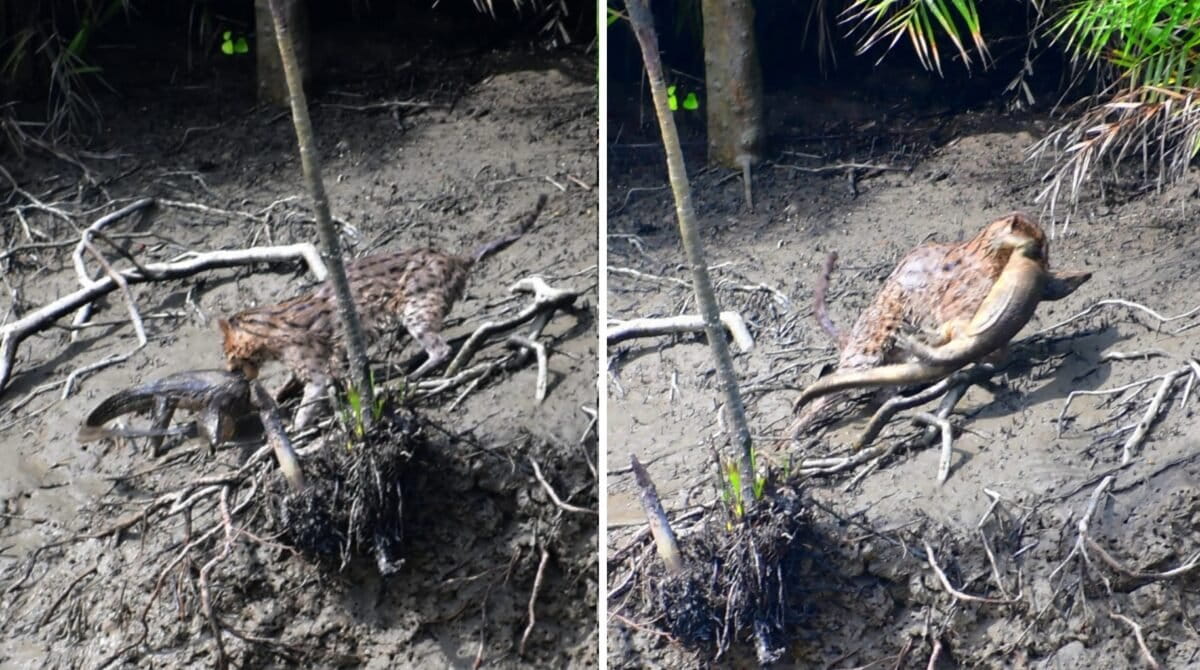
Rare photos capture fishing cat preying on monitor lizard

In the mangrove swamps of the Sundarbans, a small predator has revealed unexpected prowess.

In July, naturalist Soumyadip Santra photographed a fishing cat (Prionailurus viverrinus) leaping onto an adult monitor lizard and dragging it away. The sequence, corroborated by another photographer on the scene, is thought to be the first evidence of such a kill, reports Nabarun Guha for Mongabay India.

Fishing cats, the state animal of West Bengal and listed as vulnerable on the IUCN Red List, usually dine on fish, rodents, snakes, and small birds. A monitor lizard, nearly the same size as the cat itself, is far from routine prey.

“This is a great find,” said biologist Tiasa Adhya, who has studied the species extensively. She likened the event to jaguars in South America catching caimans, a demonstration of wetland predators turning their skill against formidable rivals.

Other ecologists called the encounter “a very uncommon incident.” Food scarcity in the Sundarbans and competition with otters may have pushed the cat into riskier hunting.

Opportunism is no anomaly in nature, but this rare documentation underscores how much remains to be discovered about animal behavior.

Peru has created a new sanctuary in the Amazon

The Medio Putumayo Algodón Regional Conservation Area, covering more than 283,000 hectares of pristine rainforest in Loreto, was established in June and will be managed by the regional government. For the 16 Indigenous communities who live along the Putumayo River, the designation represents both protection and recognition, reports Geraldine Santos.

“This area is being driven by the Indigenous communities of the Medio Putumayo themselves, through three federations,” says Freddy Ferreyra of the Instituto del Bien Común.

Local peoples, including the Murui, Yagua, Ocaina, Kukama Kukamiria, Kichwa, Maijuna and Bora, have been pressing for safeguards for over a decade. Now they gain legal standing to defend their forests against incursions by land traffickers, miners and loggers.

The new area sits within a larger ecological corridor that links Peru with Colombia and Ecuador. It forms part of a mosaic of reserves and parks intended to secure continuous habitat for species ranging from jaguars and river dolphins to the yellow-tailed woolly monkey.

“We hope this regional conservation area brings benefits to our communities,” says Gervinson Perdomo Chavez, a former leader of Puerto Franco. “That way, we can also take care of our forest.”

DJs inspired by nature

The music began long before humans arrived. Rivers carried their basslines downstream, insects beat time in the dusk, and birds poured their arias into the dawn. For Dominik Eulberg, who grew up without radio or television, this was the only soundtrack. “Nature for me is the greatest artist of all,” he once said. When he later discovered synthesizers, they felt less like inventions of silicon and circuitry than another register of the same ancient score.

Eulberg, an ecologist by training and DJ by trade, has made it his vocation to let those hidden symphonies be heard. At festivals along the Main in Frankfurt, he layered the call of the corncrake over deep electronic pulses, thrilling dancers who mistook the bird’s cry for a machine. His albums, with names drawn from butterflies and plants, offer an invitation to hear biodiversity not as an abstraction but as melody and rhythm.

He is not alone. In the Peruvian Amazon, Tayta Bird and his collaborators record the chatter of macaws and the bass rumble of howler monkeys, weaving them into tracks that pulse with the rainforest’s vitality. Their “Nature Punk” is less rebellion than reminder: that music once came from sitting quietly in the forest, listening.

There is poignancy in this movement. As habitats shrink and species vanish, silence spreads. What these artists do is less about novelty than remembrance. They bottle fragments of the living world and return them, amplified, to crowded dance floors where the diversity of humanity mirrors the diversity of nature. “On the dance floor, everybody is the same,” Eulberg said. The same, too, in the world that sustains us.

Electronic music once seemed the anthem of machines. In the hands of such musicians it has become elegy and exhortation, carrying into the night the oldest rhythm of all.

Read Manuel Fonseca’s story

A dancing lemur could help save one of Madagascar’s most endangered ecosystems

Madagascar’s rainforests often steal the spotlight, with their flamboyant biodiversity and familiar lemur mascots. Less noticed are the country’s dry forests in the west and southwest, which shelter equally remarkable life yet have been steadily eroded by agriculture, fire and logging. Now conservationists are betting that one of their most charismatic residents, the Verreaux’s sifaka, a white “dancing” lemur famed for its sideways bounds across the ground, could rally support to save what remains, reports Mino Rakotovao.

The sifaka has just been added to the World’s 25 Most Endangered Primates, a move driven by the new Madagascar dry forest alliance, a coalition of NGOs, scientists and government officials. Its advocates hope the listing will draw attention not only to the sifaka’s plight but also to the fragile forests it depends on.

“In the west and southwest [of Madagascar], the situation is just as serious, with widespread food insecurity, increased bushmeat hunting, and similar threats like deforestation,” said Rebecca Lewis, a primatologist and founder of AID Forests.

Dry forests provide food, medicine, timber and grazing land for some of Madagascar’s poorest communities. They also face some of the world’s fastest rates of loss. Yet unlike the better-known humid forests, they lack coordinated international backing. The alliance aims to change that by pooling knowledge, strengthening patrols and amplifying the voices of local people.

The sifaka’s presence offers a powerful symbol. As seed dispersers, these lemurs help regenerate forests, knitting human livelihoods and ecological health together.

“I’ve never been more optimistic about the future of Madagascar’s dry forest,” said Anne Axel of Marshall University.

If the sifaka succeeds as an ambassador, the “dancing lemur” may yet give Madagascar’s overlooked forests a chance to endure.

Largest known turtle nest documented in drone study

In the western Brazilian Amazon, scientists have documented the world’s largest known nesting aggregation of the endangered giant South American river turtle (Podocnemis expansa), reports Shanna Hanbury. Using drones and ground counts on a sandbank of the Guaporé River, which marks the border with Bolivia, researchers estimated around 41,000 adult females gathering to lay their eggs.

“We knew it was an important area, but we didn’t have the full picture of the size,” said Camila Ferrara of WCS.

The population has grown in part thanks to Brazil’s four-decade conservation program, carried out with local communities. Yet threats persist. Illegal traders continue to seize turtles by the hundreds, while habitat loss looms. Turtle meat, once sustainably harvested, has long been a staple in Amazonian diets—ranking second only to fish in archaeological records from 7,000 years ago—but today’s demand far outpaces historical levels.

To count the nesting turtles, the scientists combined ground surveys, drone imagery and mathematical models to correct for errors such as double counting or missed individuals. The method produced a more credible estimate than either approach alone and offers a stronger tool for monitoring mass nesting events. By improving accuracy, it allows conservationists to distinguish genuine declines from statistical noise—vital knowledge in the struggle to protect one of the Amazon’s most threatened species.

The case for optimism in conservation

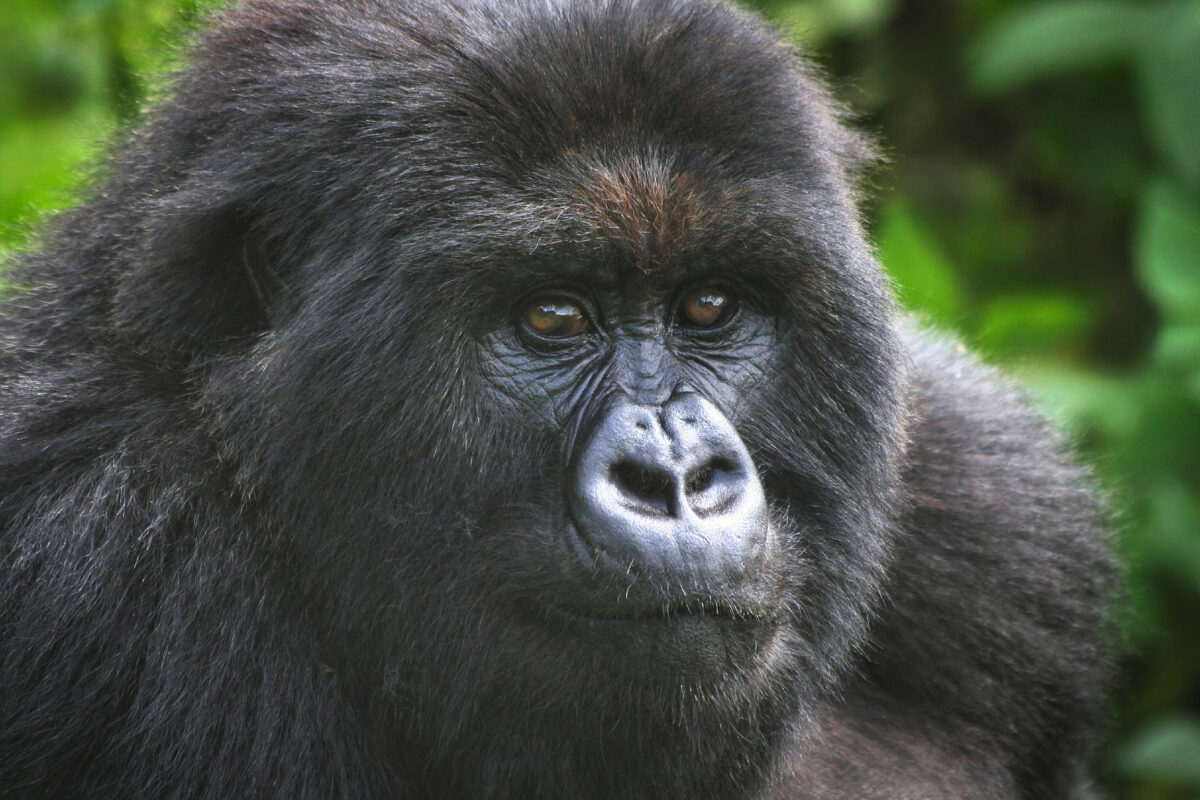
The mountain gorilla should have vanished. In the late 80s, gorillas clung to survival in the misted borderlands of Rwanda, Uganda, and the Democratic Republic of Congo. Poaching, snares, and conflict made extinction feel scheduled. What changed was not a miracle but a grind: Rangers pulling traps at risk to their lives, communities earning a stake through carefully managed tourism, and governments that held a fragile line. Numbers have climbed. The recovery is measured in steady hands rather than headlines, and it offers a simple proposition.

Optimism is not a mood. It is a method. And this tradition is not new: The Smithsonian’s Earth Optimism summit, the Conservation Optimism movement, and IUCN’s Green List of Species have carried that conviction into institutions and practice.

Conservation suffers from grim arithmetic. Loss can be swift; recovery takes years of money and attention. Dismissing optimism as naïveté is a mistake. The useful kind is disciplined. It begins with the premise that action changes outcomes, then organizes institutions and incentives to make that premise true.

First, the case is cognitive. People do not decide in spreadsheets. They respond to stories that link values to visible results. Accurate warnings alone rarely move behavior because facts need carriers. Stories grounded in real places and people travel further and lodge deeper. The gorilla’s climb persuades not because it flatters sentiment, but because it shows cause and effect readers can imagine joining.

Second, it is political. Doom is demobilizing. Faced with planetary-scale charts, many decide their choices are too small to matter. Optimism counters this by shrinking part of the problem to a human scale. A no-take zone that yields fuller nets nearby helps a community believe rules can work and cooperation can pay. Hope, in that form, becomes habit.

Third, it is strategic. Optimism focuses effort where it can tilt systems. The Mesopotamian Marshes, once drained and written off, were revived by engineers and local communities who refused resignation. Through hydrology and coalition, water returned, reed beds spread, and lives were reestablished. In Raja Ampat, partners are restoring Indo-Pacific leopard sharks with coolers of eggs, sea pens, and protected reefs. Unglamorous logistics married to design become a model others can adapt.

Useful optimism has guardrails. It insists on evidence, speaks plainly about trade-offs, and resists declaring victory too soon. Journalism helps by pairing rigorous reporting on harm with credible examples of repair, narrowing the distance between evidence and action. Ecoanxiety is real, especially among the young, but pairing grief with a path can turn concern into agency.

Coalitions endure when they experience progress. The gorilla in the mist, a reed bed where a desert stood, a small shark returning to a reef, each is a proof point that sustains a politics of the possible. The future will not arrive in a single leap. It will accumulate, one verified improvement at a time, until the long odds begin to shift.

The full piece: https://mongabay.cc/fscDRz

Forests on Indigenous lands help protect health in the Amazon

Healthy forests are more than climate shields; in the Amazon, they also serve as public-health infrastructure.

Communications Earth & Environment study spanning two decades across the biome links the extent and legal status of Indigenous Territories to 27 respiratory, cardiovascular, and zoonotic or vector-borne diseases. The findings are complex, but one pattern is clear: Where surrounding forest cover is high and fragmentation is low, Indigenous lands help blunt health risks.

Between 2001 and 2019, the Amazon logged 28 million cases of illness, four-fifths of them from fires and mostly respiratory. More than 532,000 square kilometers burned during that period, with most blazes starting outside Indigenous lands. Each surge in fire activity sent fine particulate pollution (PM2.5) higher, and with it hospital visits for asthma, bronchitis and other respiratory ailments.

Landscape context matters. Municipalities with high forest cover outside Indigenous lands see fewer fire-related illnesses, as those forests buffer PM2.5 exposure. The protective effect appears once overall cover exceeds about 45%. For zoonotic and vector-borne diseases, forests inside and outside Indigenous lands offset fragmentation when combined cover passes 40%. Fragmentation weakens these protections.

Law matters too. Recognized Indigenous Territories show a nonlinear pattern: at low to mid coverage they correlate with higher incidence, but at higher coverage with lower incidence. Unrecognized territories are consistently tied to worse outcomes, reflecting heavier fire and deforestation where rights are weak.

“Indigenous forests in the Amazon bring health benefits to millions,” said Paula Prist of the International Union for Conservation of Nature in a statement. “We have long known that the rainforest is home to medicinal plants and animals that have cured countless illnesses. This study offers new evidence that forests themselves are a balm for fire-related threats to people’s lungs and hearts, to illnesses like Chagas, malaria and spotted fevers. Ensuring Indigenous communities have strong rights over their lands is the best way to keep forests and their health benefits intact.”

As fire season returns and climate talks convene in Belém, the message is straightforward: securing Indigenous land rights and conserving contiguous forests is a health intervention as well as a climate one.

Where trees should grow

Reforestation is in vogue as a climate cure. Governments, businesses, and philanthropists are pledging billions to put seedlings in the ground. Yet planting trees in the wrong places can damage ecosystems, undermine livelihoods, and squander scarce resources. A study recently published in Nature Communications offers a sobering correction, reports Marina Martinez.

Led by scientists from The Nature Conservancy (TNC) and partner institutions, the team reviewed 89 maps of reforestation potential published since 2011, many of which had fueled grandiose claims. Earlier work, most notably by researchers at ETH Zürich in 2019, had suggested that 900m hectares could be covered in trees, an expanse larger than Brazil. Such estimates inspired initiatives like the Trillion Trees movement. But they also drew fire for including grassy biomes and fire-prone savannas where forest does not naturally occur.

The new analysis, by contrast, uses stricter definitions, high-resolution land-cover data, and a suite of safeguards to avoid perverse outcomes. After excluding croplands, wetlands, peatlands, and areas with frequent fires, the authors identified just 195m hectares worldwide suitable for reforestation. That is a reduction of 71-92% compared with previous maps.

Still, the potential remains significant. Restoring these lands could sequester 2.2bn tonnes of carbon dioxide each year, about 5% of annual global emissions from fossil fuels and land-use change.

“Reforestation is a readily-available, scalable, cost-effective carbon removal solution, but we have neither time nor resources to restore trees everywhere” says TNC’s Susan Cook-Patton, Ph.D.

Most promising are areas adjacent to existing forests, where natural regeneration is more likely and biodiversity gains are greater. Yet only 90m hectares also meet social safeguards such as secure land tenure and minimal conflict with rural livelihoods. The research highlights the difficulty of optimizing for carbon, biodiversity, water, and human rights at once. Few places satisfy all objectives.

For policymakers, the message is clear: reforestation is not a silver bullet. Protecting standing forests delivers greater climate benefit, and tree planting must be carefully targeted to succeed.

As Kurt Fesenmyer, the study’s lead author, notes, “The biggest climate benefits come from protecting the carbon within existing forests, including both young and old.”