Brazil bets reducing poverty can protect the Amazon

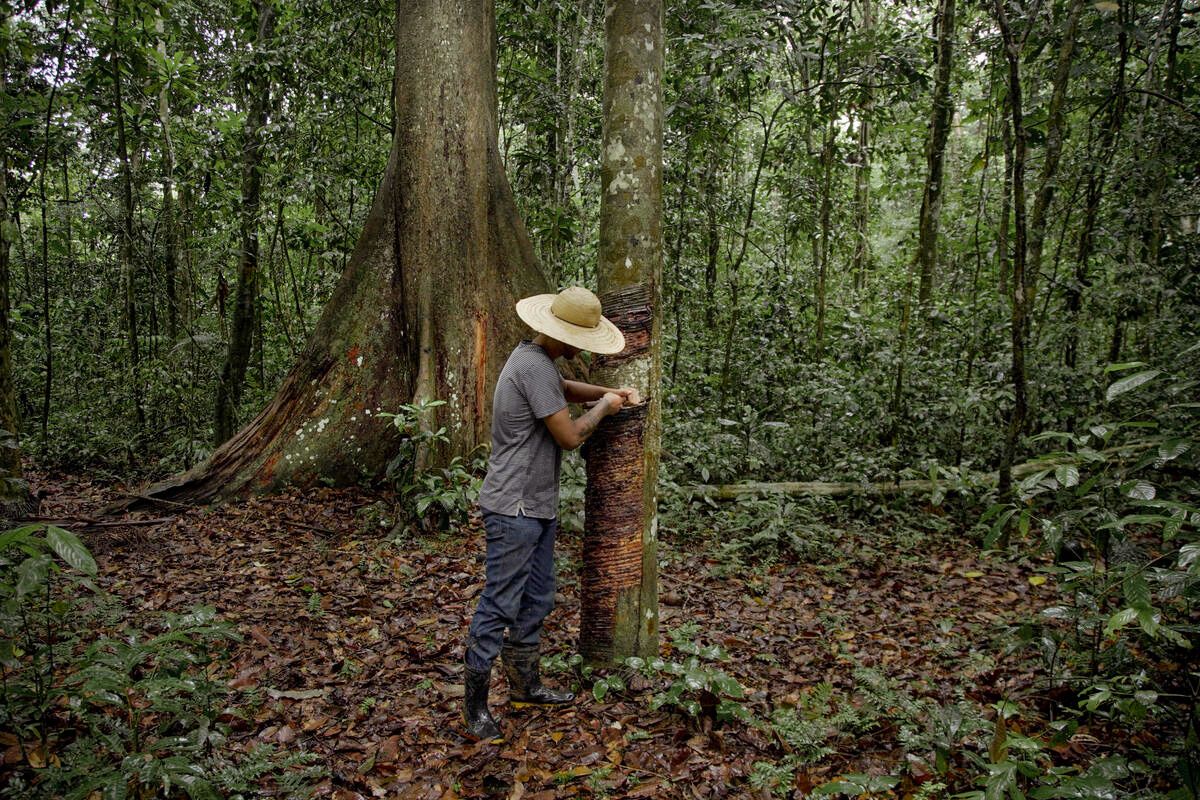
In the Chico Mendes Extractive Reserve, in Brazil’s western Amazon, daily life still depends on the forest. Families tap rubber, collect Brazil nuts, and manage small plots without clearing large areas. The reserve is named after Chico Mendes, the rubber tapper and labor leader murdered in 1988 for defending that way of life. More than three decades later, the logic he argued for—that forests are better protected when people can make a living from them—has returned to the center of Brazilian conservation policy.

That shift is taking place within ARPA, the Amazon Region Protected Areas program. Created in 2002 by the Brazilian government and later backed by WWF and major donors, ARPA supports 120 protected areas covering more than 60 million hectares, an expanse roughly the size of Ukraine. Its early years focused on expanding protected areas and building a long-term financing structure. The results were tangible. Between 2008 and 2020, deforestation in ARPA-supported areas was significantly lower than in comparable regions, avoiding large volumes of carbon emissions.

A new phase, ARPA Comunidades, reflects a change in emphasis, writes Constance Malleret. About half of the protected areas under ARPA are sustainable-use reserves, where people live and work inside the forest. Until now, these communities benefited indirectly from conservation spending. The new program aims to support them directly.

“We were missing closer attention to the communities living in these sustainable-use conservation units,” said Fernanda Marques of Funbio, which manages the $120 million fund behind the initiative.

Announced at COP30 in Belém, ARPA Comunidades will focus on 60 such reserves, covering nearly 24 million hectares. Over 15 years, it seeks to improve livelihoods for roughly 130,000 people while reducing pressure on forests. The approach is pragmatic. Investments will range from basic energy and connectivity to support for cooperatives and local supply chains. The goal is to raise incomes through products such as açaí, Brazil nuts, cacao, rubber, and fish, while strengthening local institutions.

The economic case is straightforward. A 2023 study by Instituto Escolhas found that small reductions in extreme poverty in the Amazon can yield large declines in deforestation.

Supporters argue that durability depends on prosperity. “You have a financial backing and policy backing,” said WWF’s Carter Roberts, “but you will only have true durability if you really deliver prosperity to communities on the ground.” The challenge is ensuring that new markets do not undermine the forest itself. Guardrails will matter.

ARPA’s record suggests cautious confidence. Its financing model has expanded beyond Brazil. If ARPA Comunidades succeeds, it will reinforce a simple lesson from the Amazon: conservation lasts longer when people have a stake in it.
Rare twin mountain gorillas born in DRC

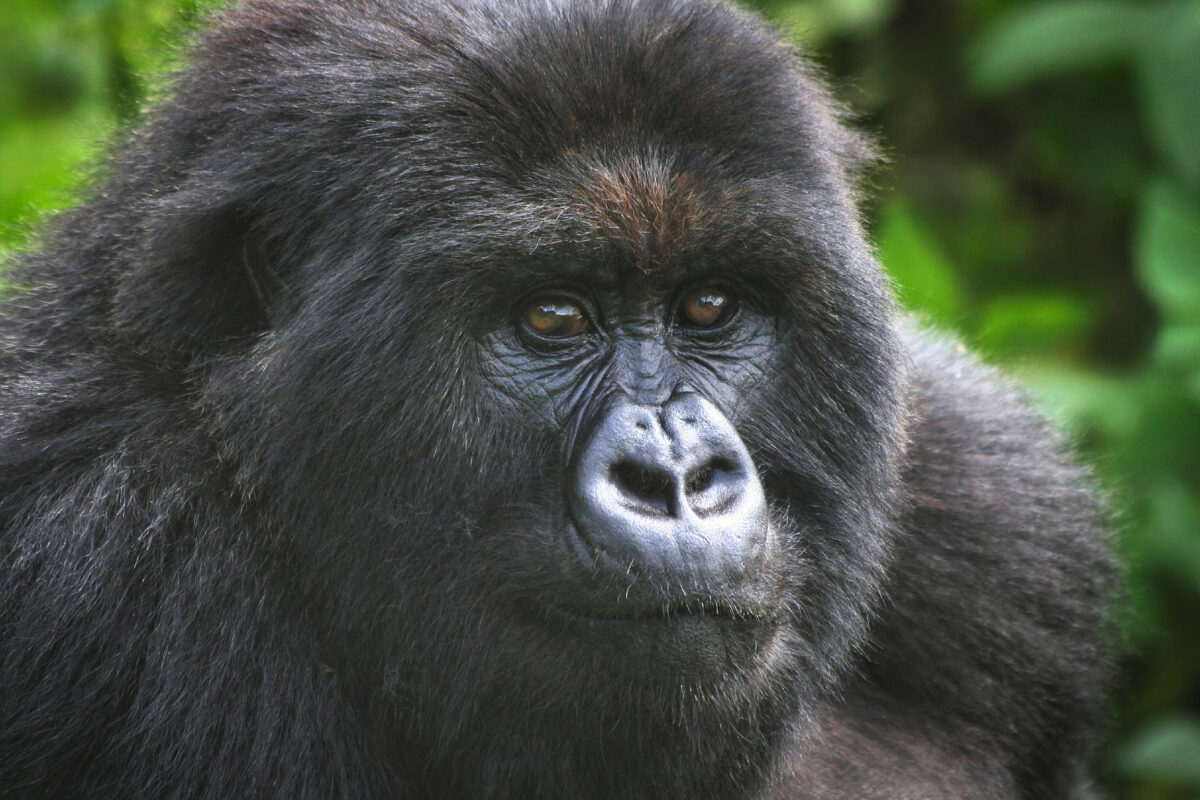
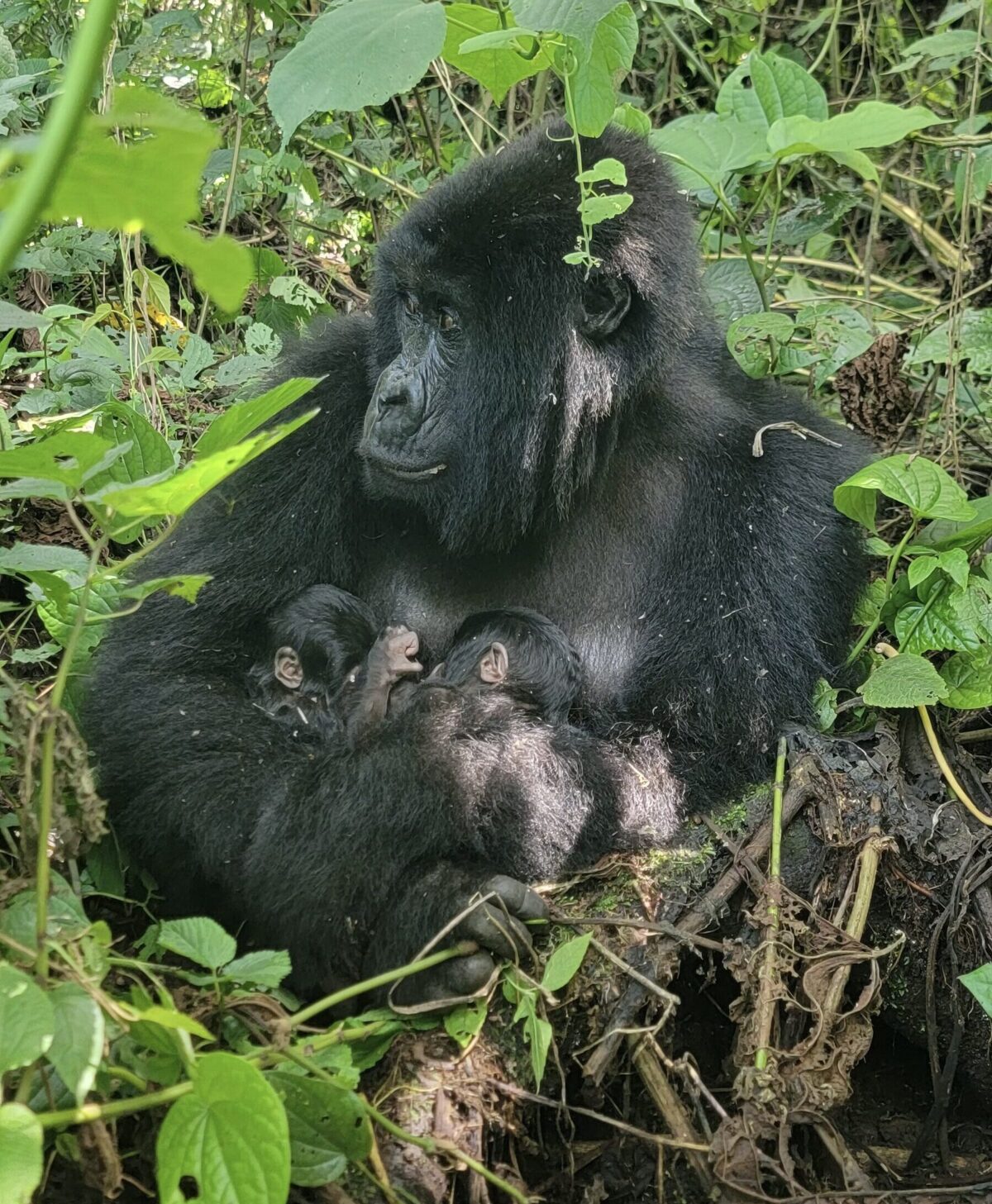
In the eastern reaches of the Democratic Republic of the Congo, two newborn mountain gorillas were found early this year, clinging to their mother in Virunga National Park, reports Elodie Toto. Unusual for gorillas, the infants are twins, both male.

Their mother, Mafuko, is known to rangers. She has given birth to twins before. Those infants died within days. This time, the park says the newborns appear healthy, and additional monitoring has begun. For those who have spent decades watching mountain gorillas struggle back from near extinction, the timing matters.

“For me, it is a huge sign of hope and a great way to start the new year,” said Katie Fawcett of the Gorilla Rehabilitation and Conservation Education Center (GRACE Gorillas).

Hope in Virunga is never uncomplicated. The park sits amid armed conflict, illegal charcoal production, and poaching. Rangers patrol under constant threat. Gorillas have been killed by men seeking fuelwood or territory, not trophies.

The species has surprised before. From a few hundred animals in the 1980s, mountain gorillas now number more than 1,000 across the region, enough for the IUCN to lower their risk category. Two infants do not change the arithmetic much, but they reinforce the sense that recovery, though fragile, remains possible.

The year in rainforests, 2025

This year’s review of major tropical forest storylines covers 12 thematic areas:

The Amazon
If 2025 produced a clear signal for the Amazon rainforest, it was that deforestation can be slowed—it fell 11% in Brazil in the year ending July 31—but that maintaining the world’s largest rainforest as a healthy and productive ecosystem is increasingly constrained by past degradation and a warming climate.

The Congo Basin
The Congo Basin’s defining story in 2025 was a steady intensification of pressures in areas long treated as buffers. DRC embodied this trend, with deforestation reaching a record level in 2024 and the resurgence of M23 wreaking havoc in the eastern part of the country.

Indonesia
2025 reflected a familiar contrast: national-level progress (deforestation fell 11%) alongside persistent pressure on the ground, including policy shifts that could exacerbate forest clearing. A deadly disaster in Sumatra illustrated what is at stake.

COP30
There was excitement in the run-up to the “Amazonian COP,” but the summit did little to translate that ambition into specific commitments. It reinforced a familiar pattern of multilateral climate diplomacy advancing largely through deferral of the hardest decisions.

Tropical Forest Forever Facility
TFFF was designed as an endowment-style mechanism: raise $125 billion, invest the capital conservatively, and distribute annual payments to forest countries that keep deforestation and degradation below agreed thresholds. It got off to a slow start, however, securing just $6.7B in pledges at COP30.

EUDR
The European Union’s deforestation regulation was postponed again.

Commodities
Rather than a synchronized boom, pressures diverged. Gold prices surged, palm oil rose, while soy, beef, timber, and wood pulp were stable to lower. Critical minerals and rare earths attracted growing attention.

Forest carbon markets
After several years of rapid expansion, activity slowed and scrutiny intensified.

American retreat
A freeze on foreign aid, followed by contract terminations & staff losses, turned what is usually slow, technical work—park budgets, ranger salaries, forest monitoring, community agreements—into improvised crisis management. The cumulative result was a reduced U.S. footprint.

Forest recovery and regeneration
Tropical regrowth is expanding in some regions but remains vulnerable to re-clearing and degradation. Tree planting still has a role, but persistence matters more.

Tropical forest ecology
Ecological research continued to link forest function more directly to environmental stress, shifting attention away from abstract services and toward how specific pressures alter forest health and productivity over time.

Remote sensing
Remote sensing of tropical forests increasingly focused on whether data could arrive quickly and reliably enough to inform decisions. The year also exposed operational fragility.

The year in rainforests 2025: Deforestation fell; the risks did not

Sloth selfies are feeding a booming wildlife trafficking trade

The growing trade in sloths for tourism and the pet market has turned a once-overlooked mammal into one of Latin America’s more exploited wildlife species, reports Fernanda Wenzel.

The animals’ slow movements and algae-tinted fur help them evade predators in the canopy. They do little, however, to deter hunters. Once spotted, a tree can be felled in minutes. Mothers trying to defend their young are often killed, and the infants are mutilated to make them easier to handle. Many are then sold as props for photos or as pets for travelers who like the idea of a docile, “smiling” creature.

“That ‘smile’ hides immense suffering,” says Neil D’Cruze of Canopy. The biologist has documented how sloths endure severe stress when handled, confined or surrounded by crowds. Few survive it. For small infants, mortality can reach 99 percent, according to Tinka Plese of the Aiunau Foundation in Colombia. Many arrive “hungry, thirsty, with an impressive sadness,” she says.

Deforestation remains the greatest threat to sloths, but trafficking tied to wildlife tourism has expanded the danger. A 2018 study led by D’Cruze identified hundreds of attractions in the region advertising direct contact with wild animals. Some markets, such as Belén in Iquitos, openly offer sloths for purchase. Tens of thousands are believed to be involved in the trade, with animals shipped to the United States, Europe, Asia and the Middle East.

Concern over the scale of exploitation has prompted Brazil, Costa Rica and Panama to seek CITES Appendix II protections for two species, Choloepus didactylus and C. hoffmanni. Advocates say both have become increasingly targeted, with rising seizures in the Amazon. Legal sales in some countries also complicate enforcement, creating incentives for traffickers to move animals across borders where regulations are weaker.

Stronger international controls may slow the trade. They will not address the underlying loss of habitat. As D’Cruze puts it, “We need not only to stop sloths from being unsustainably removed from the wild but also to stop nature from being destroyed.”

“Sleeping jaguars”: Female guardians mobilize to defend their territory in the Amazon

Deep in Ecuador’s Amazon, where the Bobonaza River curls through thick jungle, the Kichwa community of Pakayaku has done what few others have managed: kept industry out. For generations, its residents have shielded 40,000 hectares of rainforest from loggers, miners, and oil companies. Their isolation—reachable only after hours by road and boat—has become both refuge and resistance, reports Brandi Morin.

Leadership in Pakayaku is collective and deliberate. Every major decision passes through a 22-member council, a structure that ensures consensus rather than command. At its heart is an enduring strength: humility, loyalty, and dignity, values that guide daily life as well as defense. The community’s “plan of life,” a document six years in the making, maps not only their territory but also their future—an education rooted in Kichwa traditions and economic alternatives that keep the forest standing. One such effort, a reforestation project of 250,000 cacao trees mixed with native fruit species, aims to sustain 250 families without resorting to extraction.

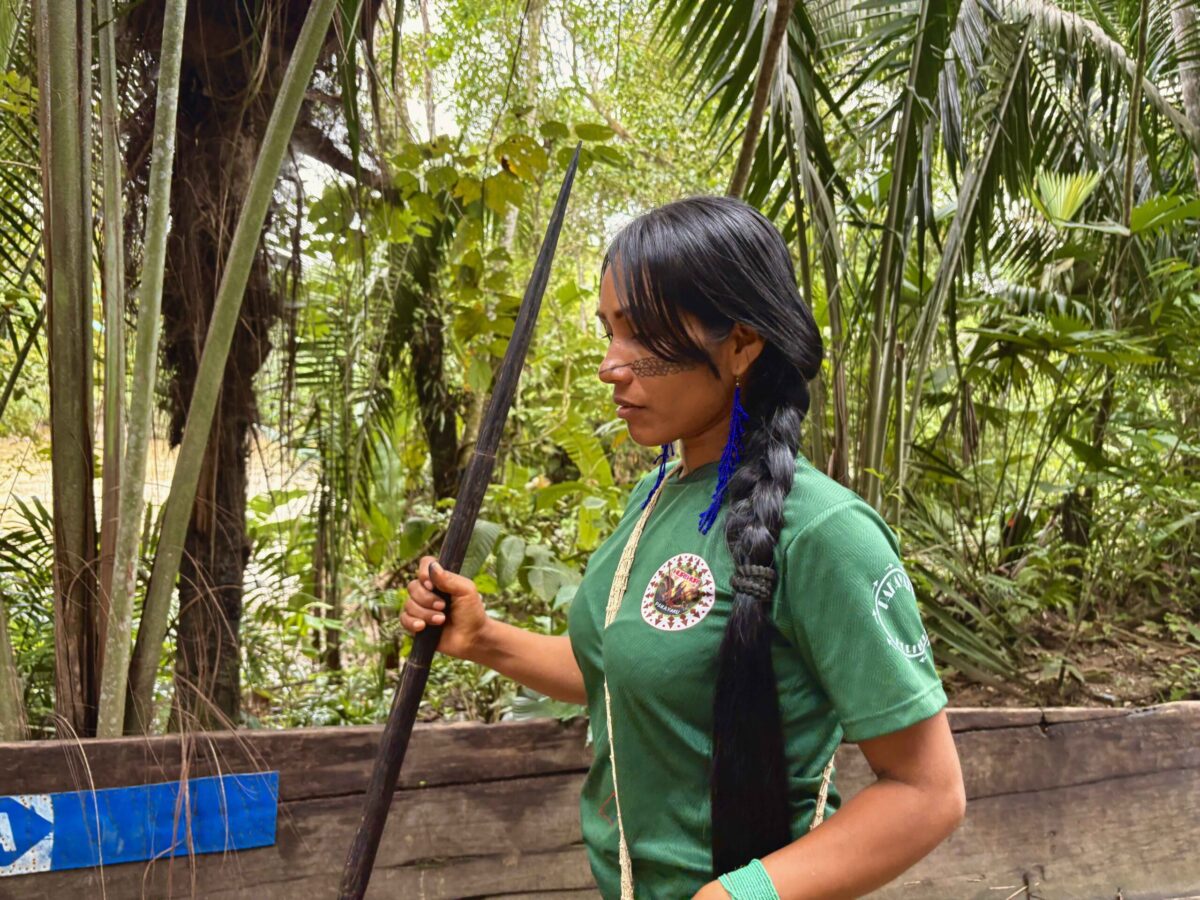
Among Pakayaku’s most striking defenders are its women. Captain Gracia Malaver leads 45 female guardians who patrol the forest armed with spears carved from palm wood. Sixteen are on constant duty, the rest the “sleeping jaguars,” ready to mobilize when threats arise. “Our grandmothers used to do this,” Malaver says. “That’s why we are continually training to be warriors.” The guardians move like mist through the trees, watching for illegal miners or intruders, including officials who enter without permission. Those caught are detained until agreements are reached—a reminder that in Pakayaku, sovereignty is enforced from within.

That vigilance faces new strain. President Daniel Noboa’s government, under pressure to revive the economy, has reopened the mining registry and invited foreign investors into the energy sector. A proposed road for petroleum extraction could cut through Pakayaku’s ancestral lands. Critics warn that merging the environment ministry with energy and mines, and tightening regulations on NGOs, will weaken protections for Indigenous territories.

Yet Pakayaku’s president, Ángel Santi, remains composed. “We haven’t allowed any extractivist activity in our territory—no mining, no oil drilling, no logging,” he says. “We keep the rainforest alive.”

Indigenous communities protect Colombia’s uncontacted peoples

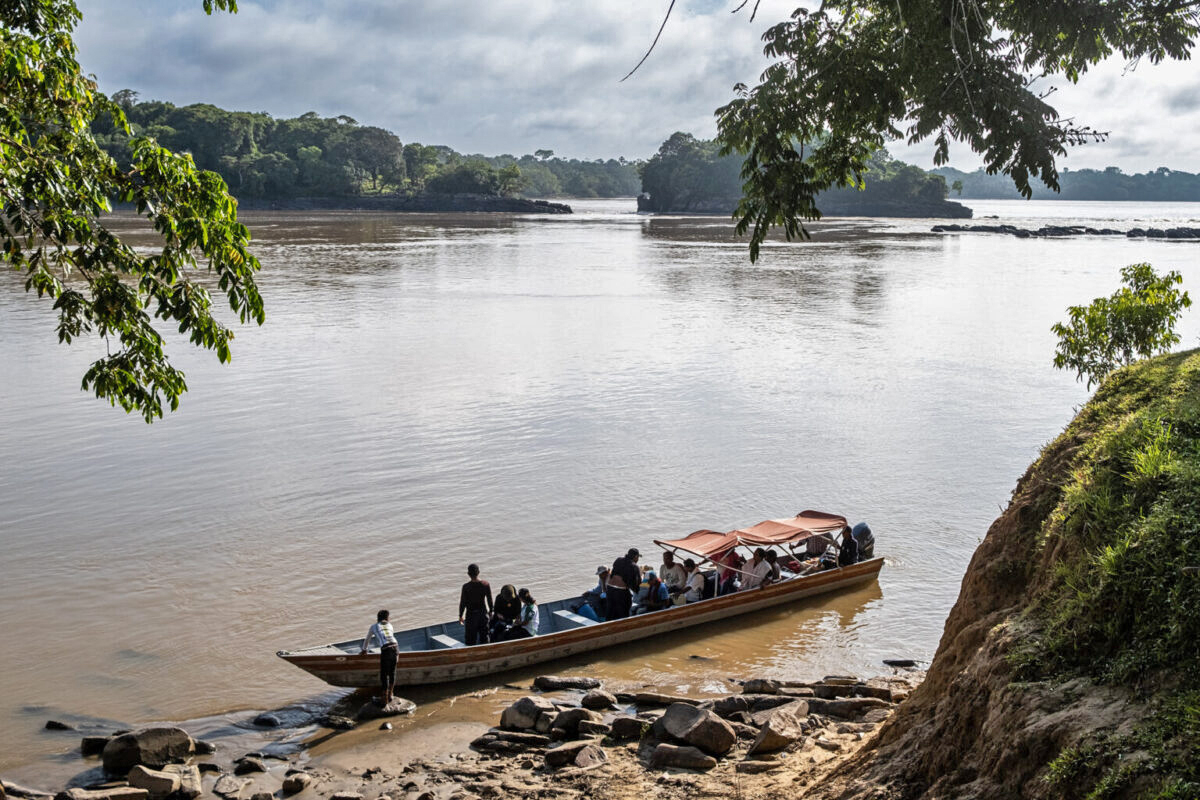
For more than a decade, two Indigenous communities deep in Colombia’s Amazon have been safeguarding those who wish to remain unseen, reports Pilar Puentes. The residents of the Curare-Los Ingleses Indigenous Reserve and the neighboring Manacaro community have built an extraordinary system of surveillance and stewardship to protect uncontacted peoples such as the Yuri and Passé—tribes that continue to live in voluntary isolation.

Their vigilance, combining ancestral wisdom and digital tools, led the government in October 2024 to formally recognize the existence of two such groups, ending a century of speculation. The decision owed much to the patient accumulation of evidence: faint footprints, scattered seeds, traces of fire. The Indigenous monitors’ efforts filled the void left by the state, which has been largely absent from this conflict-ridden region. Armed groups, illegal miners, missionaries, and traffickers now press upon the boundaries of lands that had once been untouched.

In the face of danger, women from Manacaro have stepped into roles long reserved for men, steering canoes along the rivers, collecting data, and recording threats. Their work, supported by the Amazon Conservation Team (ACT) and local associations, now spans thousands of hectares. Using GPS, georeferencing programs, and tablets, they track wildlife and human incursions, and their findings feed into national policymaking through Colombia’s Commission for the Protection of Indigenous Peoples in Isolation.

The communities’ maps are more than technical records. They are spiritual documents that intertwine geography with belief. Before every patrol, elders perform rituals at a control post named Puerto Caimán, asking for protection from the forest and permission from the unseen tribes. These ceremonies acknowledge that the act of watching is itself a relationship—one that must honor both distance and kinship.

Despite the spread of violence and mining, the network of Indigenous monitors remains the most reliable line of defense for Colombia’s uncontacted peoples. Their vigilance has not only confirmed existence, but preserved absence: the right to remain invisible. As one leader, Ezequiel Cubeo, put it, “We are uniting to protect our isolated brothers, because the territory is very large.” In a forest where the state cannot safely enter, these quiet guardians ensure that some parts of humanity may still choose to live beyond its reach.

A dancing lemur could help save one of Madagascar’s most endangered ecosystems

Madagascar’s rainforests often steal the spotlight, with their flamboyant biodiversity and familiar lemur mascots. Less noticed are the country’s dry forests in the west and southwest, which shelter equally remarkable life yet have been steadily eroded by agriculture, fire and logging. Now conservationists are betting that one of their most charismatic residents, the Verreaux’s sifaka, a white “dancing” lemur famed for its sideways bounds across the ground, could rally support to save what remains, reports Mino Rakotovao.

The sifaka has just been added to the World’s 25 Most Endangered Primates, a move driven by the new Madagascar dry forest alliance, a coalition of NGOs, scientists and government officials. Its advocates hope the listing will draw attention not only to the sifaka’s plight but also to the fragile forests it depends on.

“In the west and southwest [of Madagascar], the situation is just as serious, with widespread food insecurity, increased bushmeat hunting, and similar threats like deforestation,” said Rebecca Lewis, a primatologist and founder of AID Forests.

Dry forests provide food, medicine, timber and grazing land for some of Madagascar’s poorest communities. They also face some of the world’s fastest rates of loss. Yet unlike the better-known humid forests, they lack coordinated international backing. The alliance aims to change that by pooling knowledge, strengthening patrols and amplifying the voices of local people.

The sifaka’s presence offers a powerful symbol. As seed dispersers, these lemurs help regenerate forests, knitting human livelihoods and ecological health together.

“I’ve never been more optimistic about the future of Madagascar’s dry forest,” said Anne Axel of Marshall University.

If the sifaka succeeds as an ambassador, the “dancing lemur” may yet give Madagascar’s overlooked forests a chance to endure.

The case for optimism in conservation

The mountain gorilla should have vanished. In the late 80s, gorillas clung to survival in the misted borderlands of Rwanda, Uganda, and the Democratic Republic of Congo. Poaching, snares, and conflict made extinction feel scheduled. What changed was not a miracle but a grind: Rangers pulling traps at risk to their lives, communities earning a stake through carefully managed tourism, and governments that held a fragile line. Numbers have climbed. The recovery is measured in steady hands rather than headlines, and it offers a simple proposition.

Optimism is not a mood. It is a method. And this tradition is not new: The Smithsonian’s Earth Optimism summit, the Conservation Optimism movement, and IUCN’s Green List of Species have carried that conviction into institutions and practice.

Conservation suffers from grim arithmetic. Loss can be swift; recovery takes years of money and attention. Dismissing optimism as naïveté is a mistake. The useful kind is disciplined. It begins with the premise that action changes outcomes, then organizes institutions and incentives to make that premise true.

First, the case is cognitive. People do not decide in spreadsheets. They respond to stories that link values to visible results. Accurate warnings alone rarely move behavior because facts need carriers. Stories grounded in real places and people travel further and lodge deeper. The gorilla’s climb persuades not because it flatters sentiment, but because it shows cause and effect readers can imagine joining.

Second, it is political. Doom is demobilizing. Faced with planetary-scale charts, many decide their choices are too small to matter. Optimism counters this by shrinking part of the problem to a human scale. A no-take zone that yields fuller nets nearby helps a community believe rules can work and cooperation can pay. Hope, in that form, becomes habit.

Third, it is strategic. Optimism focuses effort where it can tilt systems. The Mesopotamian Marshes, once drained and written off, were revived by engineers and local communities who refused resignation. Through hydrology and coalition, water returned, reed beds spread, and lives were reestablished. In Raja Ampat, partners are restoring Indo-Pacific leopard sharks with coolers of eggs, sea pens, and protected reefs. Unglamorous logistics married to design become a model others can adapt.

Useful optimism has guardrails. It insists on evidence, speaks plainly about trade-offs, and resists declaring victory too soon. Journalism helps by pairing rigorous reporting on harm with credible examples of repair, narrowing the distance between evidence and action. Ecoanxiety is real, especially among the young, but pairing grief with a path can turn concern into agency.

Coalitions endure when they experience progress. The gorilla in the mist, a reed bed where a desert stood, a small shark returning to a reef, each is a proof point that sustains a politics of the possible. The future will not arrive in a single leap. It will accumulate, one verified improvement at a time, until the long odds begin to shift.

The full piece: https://mongabay.cc/fscDRz

Scientists recognize a fourth species of giraffe

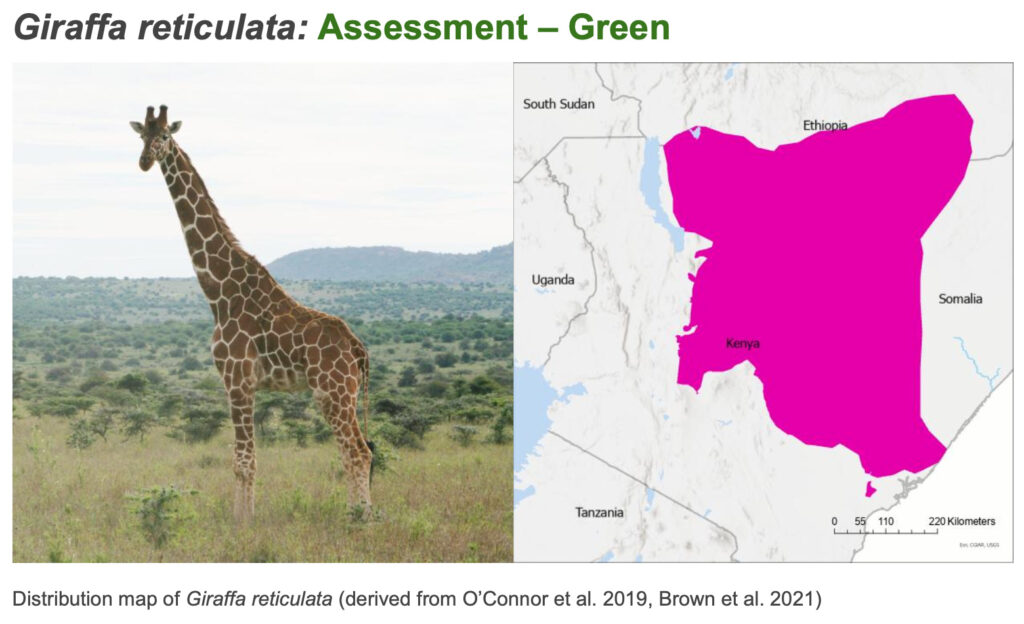
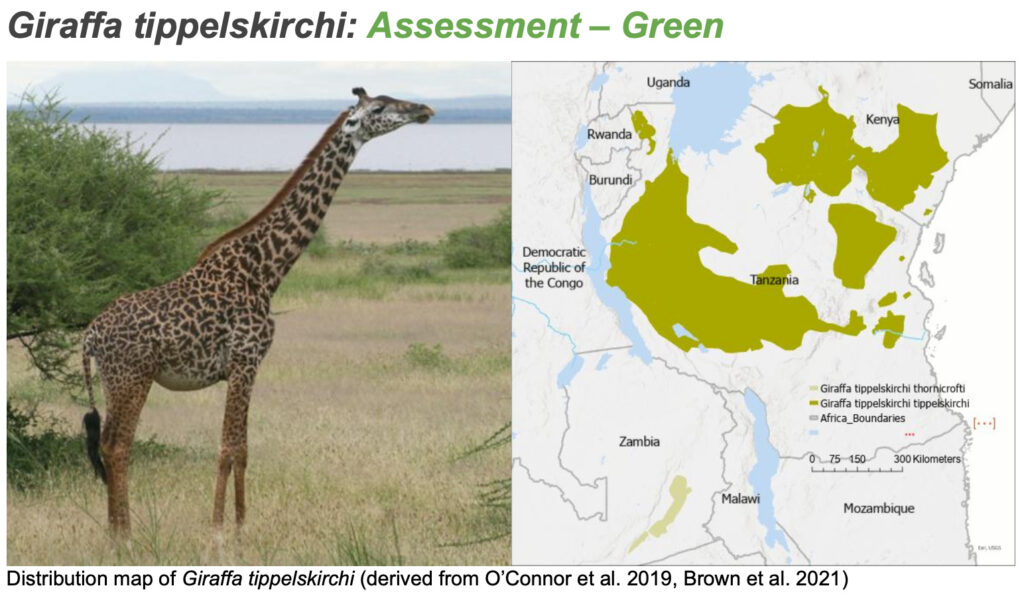
For centuries giraffes have been treated as a single species, a uniform silhouette rising above Africa’s plains. That view has now been officially retired. A new assessment by the IUCN Species Survival Commission’s Giraffe and Okapi Specialist Group recognizes four distinct giraffe species, informed by the most comprehensive review of genetic, morphological, and biogeographic evidence to date.

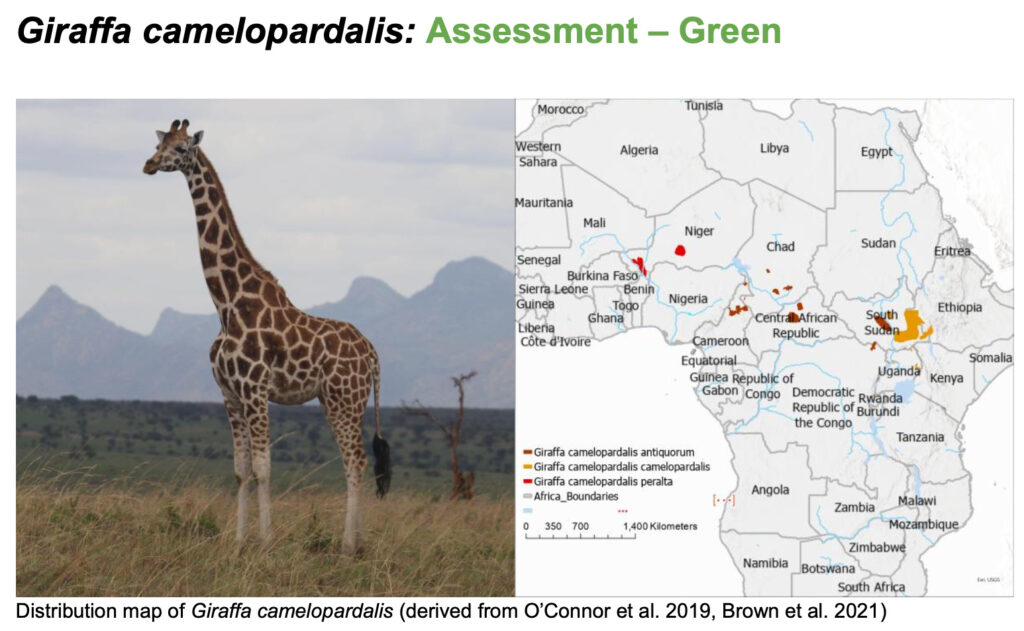
The reclassification may sound like a taxonomic quibble. In fact, it carries weighty consequences. Genetic studies, including whole-genome analyses, consistently reveal deep divergences among giraffe lineages dating back hundreds of thousands of years. Morphological work, notably a survey of more than 500 skulls, reinforces these divisions, while rivers, rift valleys, and arid zones appear to have acted as natural barriers. Together, these lines of evidence persuaded experts that northern, reticulated, Masai, and southern giraffes warrant recognition as separate species:

🦒 Northern giraffe (Giraffa camelopardalis)

  • West African giraffe (G. c. peralta) – subspecies
  • Kordofan giraffe (G. c. antiquorum) – subspecies
  • Nubian giraffe (G. c. camelopardalis) – subspecies

🦒 Reticulated giraffe (Giraffa reticulata)

🦒 Masai giraffe (Giraffa tippelskirchi)

  • Masai giraffe (G. t. tippelskirchi) – subspecies
  • Luangwa/Thornicroft’s giraffe (G. t. thornicrofti) – subspecies

🦒 Southern giraffe (Giraffa giraffa)

  • South African giraffe (G. g. giraffa) – subspecies
  • Angolan giraffe (G. g. angolensis) – subspecies

“This landmark taxonomic revision … reflects the best available science and provides a globally standardized framework to inform conservation,” said Michael Brown, co-chair of the Specialist Group.

For conservationists, the change means more precise Red List assessments and clearer priorities. What was once one vulnerable giant is now four species, some faring far worse than others—a sobering reminder that even the tallest animals can disappear when overlooked.

The IUCN assessment