Scientists recognize a fourth species of giraffe

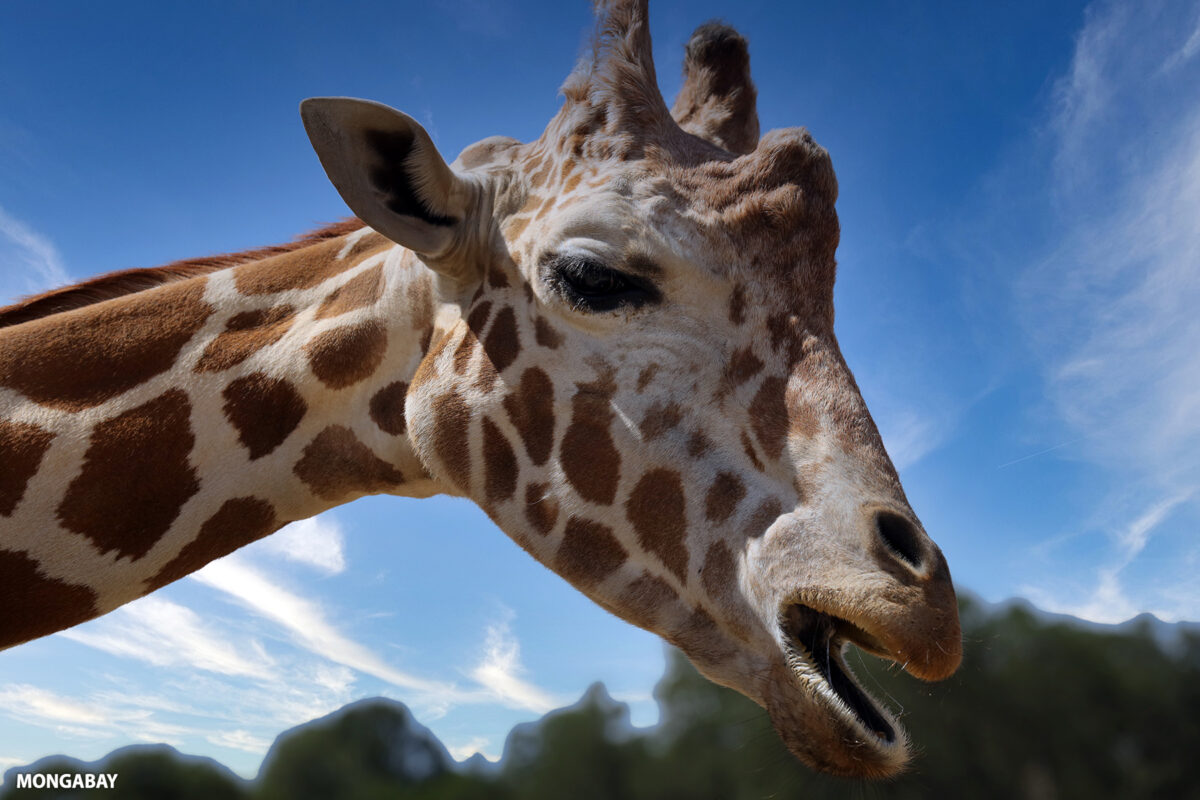
For centuries giraffes have been treated as a single species, a uniform silhouette rising above Africa’s plains. That view has now been officially retired. A new assessment by the IUCN Species Survival Commission’s Giraffe and Okapi Specialist Group recognizes four distinct giraffe species, informed by the most comprehensive review of genetic, morphological, and biogeographic evidence to date.
The reclassification may sound like a taxonomic quibble. In fact, it carries weighty consequences. Genetic studies, including whole-genome analyses, consistently reveal deep divergences among giraffe lineages dating back hundreds of thousands of years. Morphological work, notably a survey of more than 500 skulls, reinforces these divisions, while rivers, rift valleys, and arid zones appear to have acted as natural barriers. Together, these lines of evidence persuaded experts that northern, reticulated, Masai, and southern giraffes warrant recognition as separate species:
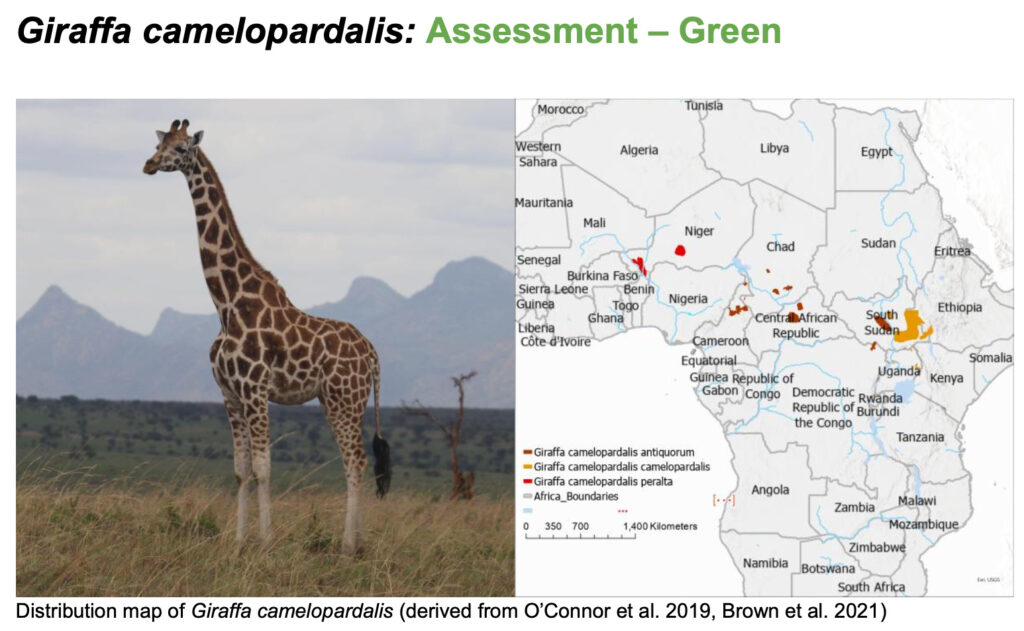
🦒 Northern giraffe (Giraffa camelopardalis)
- West African giraffe (G. c. peralta) – subspecies
- Kordofan giraffe (G. c. antiquorum) – subspecies
- Nubian giraffe (G. c. camelopardalis) – subspecies
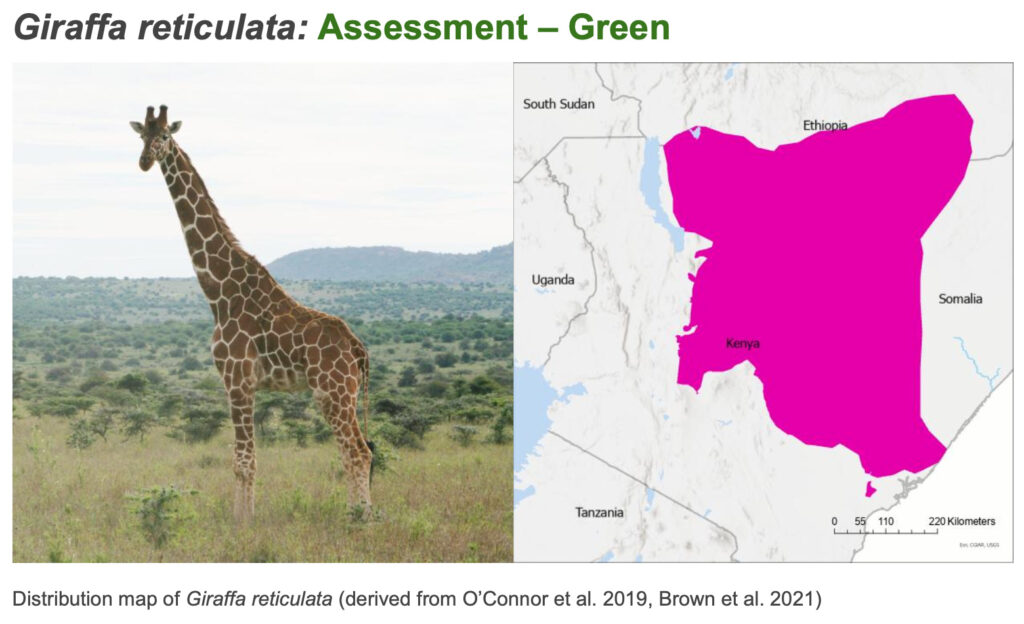
🦒 Reticulated giraffe (Giraffa reticulata)
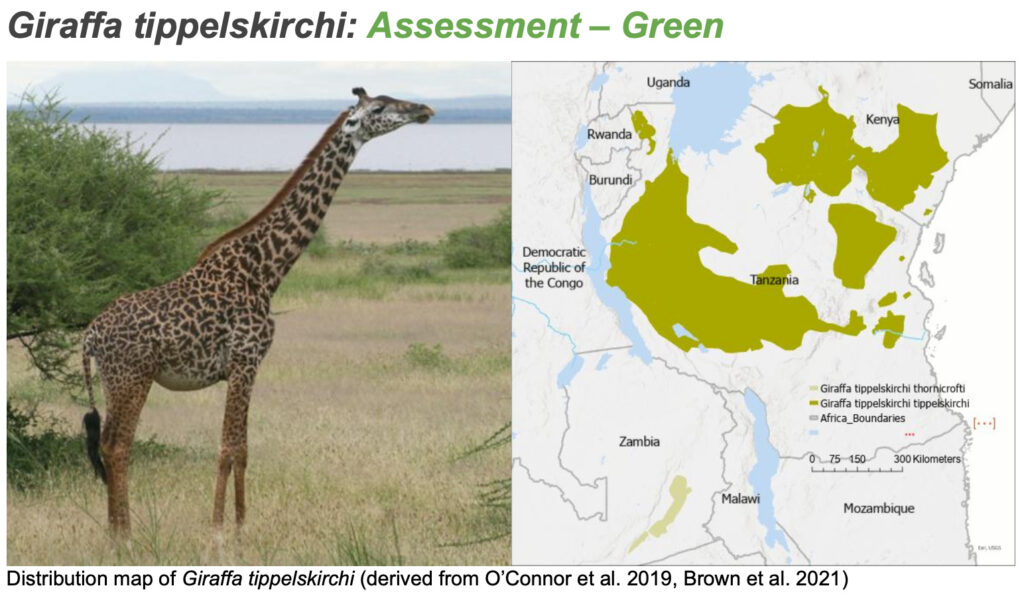
🦒 Masai giraffe (Giraffa tippelskirchi)
- Masai giraffe (G. t. tippelskirchi) – subspecies
- Luangwa/Thornicroft’s giraffe (G. t. thornicrofti) – subspecies
🦒 Southern giraffe (Giraffa giraffa)
- South African giraffe (G. g. giraffa) – subspecies
- Angolan giraffe (G. g. angolensis) – subspecies
“This landmark taxonomic revision … reflects the best available science and provides a globally standardized framework to inform conservation,” said Michael Brown, co-chair of the Specialist Group.
For conservationists, the change means more precise Red List assessments and clearer priorities. What was once one vulnerable giant is now four species, some faring far worse than others—a sobering reminder that even the tallest animals can disappear when overlooked.