Small cat conservationists welcome Uganda’s new national park

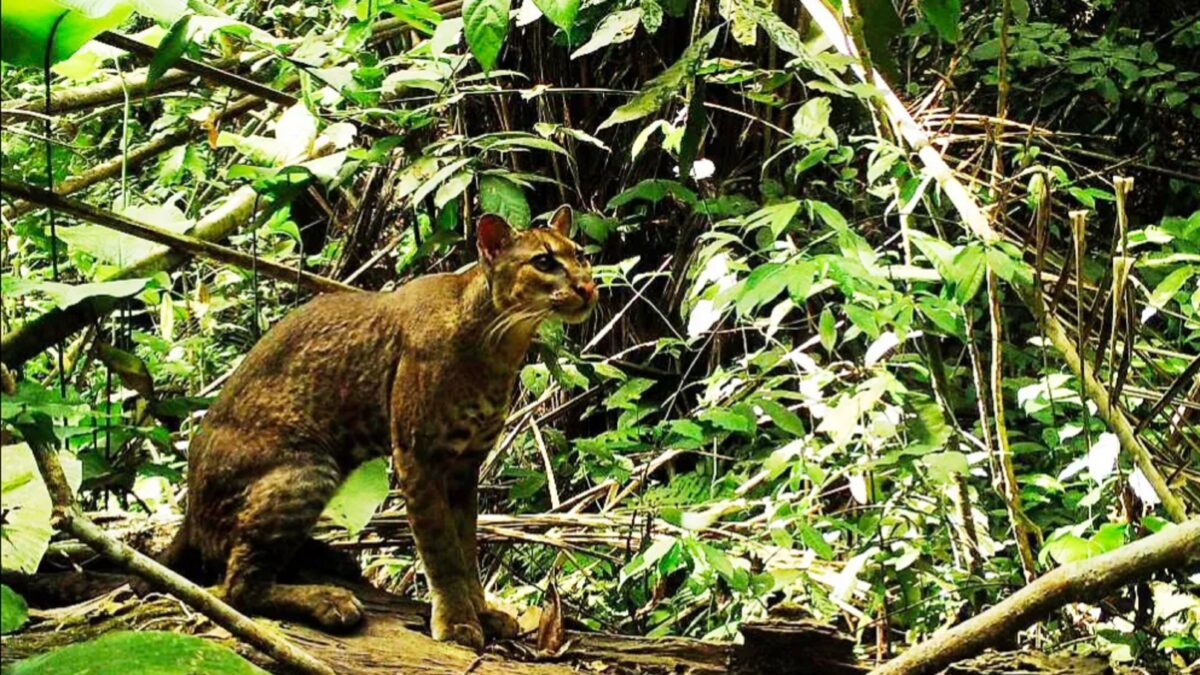
Uganda’s decision to elevate Echuya Forest to national-park status have given one of Africa’s most elusive predators a better chance at survival, reports Sean Mowbray.
The African golden cat survives by staying unseen. That strategy has failed it. In forest reserves, snares set for bushmeat and steady habitat degradation have taken a significant toll. Camera traps tell the story. In nearby Bwindi Impenetrable National Park, a golden cat appears within days. In Echuya, it took months.
“Having Echuya elevated to that level of protection is massive,” says Badru Mugerwa, founder and director of Embaka, who has spent years documenting the decline. “Protected areas, especially national parks, remain the strongholds.”
The upgrade matters beyond one species. Echuya’s montane forest shelters endemic birds and primates, and it sits in a region where ecological margins are thin. Uganda’s broader decision to add six national parks signals a bet that protection still works.
It also raises familiar tensions. Communities depend on the forest for livelihoods, and some worry about new restrictions or relocated wildlife. Uganda’s answer has been to pair protection with revenue sharing and negotiated access, borrowing lessons from elsewhere.
National-park status is not a cure. Enforcement, trust, and time will decide the outcome. But for a cat being pushed toward extinction by invisibility, attention is a start—and sometimes that is enough to change the trajectory.