The cost of restoring mangroves

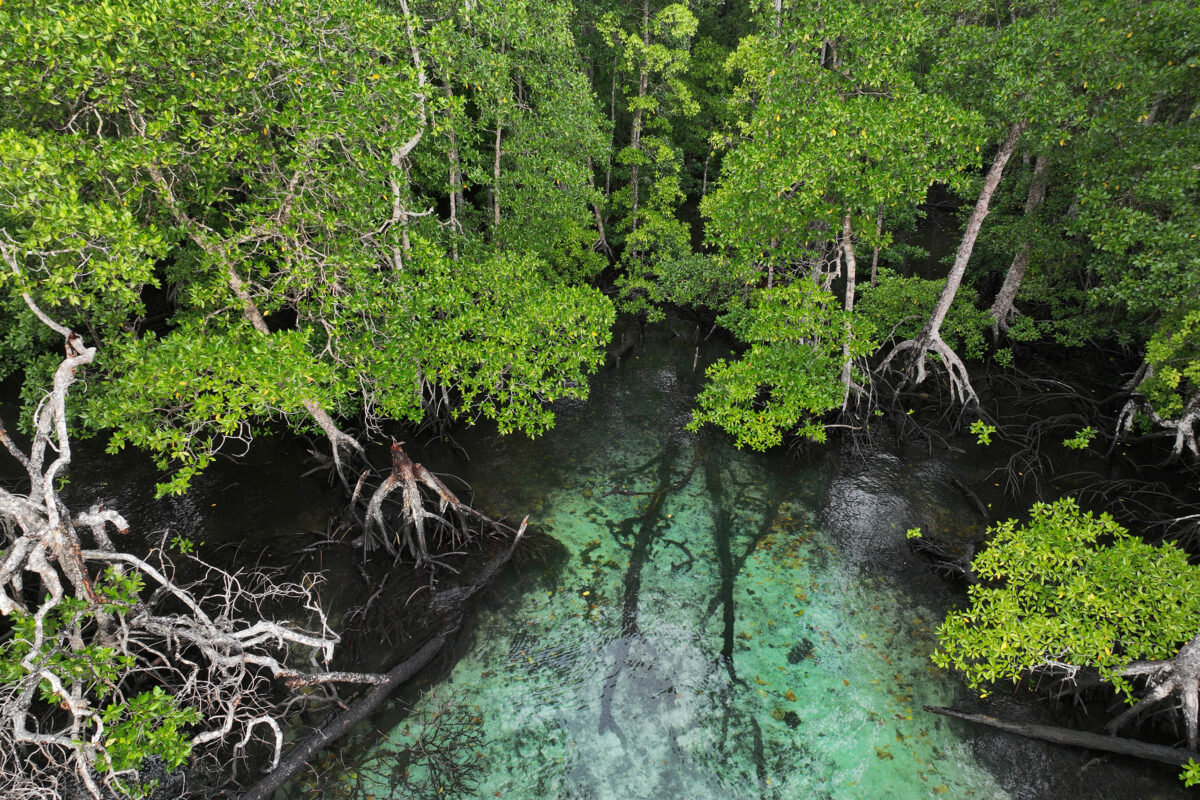
Mangroves, the amphibious forests that fringe tropical and subtropical coastlines, are ecological powerhouses. They buffer communities against storm surges, support fisheries, and sequester carbon at rates that rival their terrestrial counterparts. Yet despite growing recognition of their value, mangroves remain imperiled. About 35% of global cover was lost in the late 20th century, largely to aquaculture and coastal development.

New research offers the most comprehensive look yet at the cost of reversing that damage. Drawing on nearly 250 projects and dozens of data sources, researchers have created the first global model of site-specific mangrove restoration costs. They find a median implementation cost of $8,143 per hectare, with wide variability: From just $9 to over $700,000. Site conditions matter. Rehabilitating abandoned shrimp ponds tends to be cheap; replanting eroded or hydrologically disrupted coastlines is far pricier.
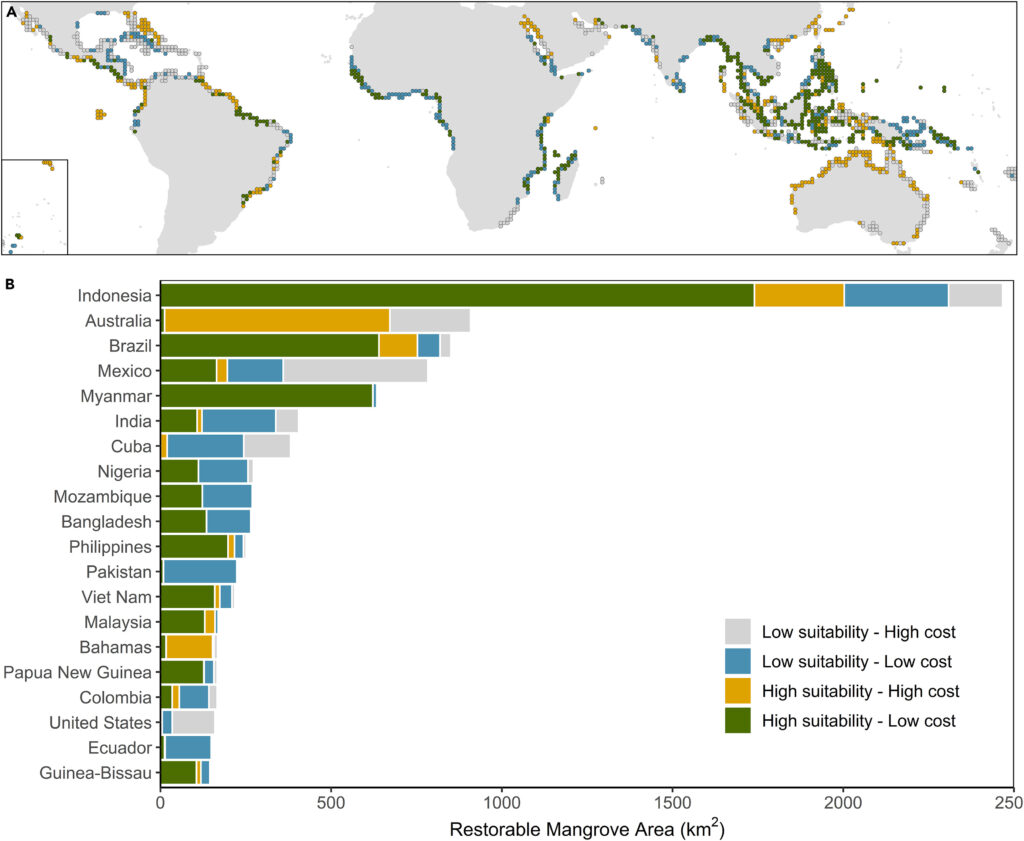
Overlay of abatement cost and biophysical suitability for restoration

(A) Mapped across the global extent of potential mangrove restoration and (B) summed by area for the 20 countries with the greatest area of potential mangrove restoration. Abatement cost was calculated using the area-weighted mean within each 1° cell. Cells were categorized as having “high” or “low” value for each metric relative to the median value.

Indonesia, with its vast archipelago and degraded deltas, holds the greatest potential. At least 204,000 hectares could be restored at less than $10,000 per hectare—making it a focal point for meeting national and international targets. Globally, 1.1 million hectares of mangroves could be restored for $10.73 billion, or roughly what Americans spend on pet food every three months. That could remove up to 0.93 gigatons of CO₂ from the atmosphere, at an average cost of $11.49 per ton.

Such figures are competitive in the world of carbon markets, where blue carbon credits—those derived from coastal ecosystems—are gaining traction. But for now, the market is nascent.

Carbon finance alone is unlikely to underwrite the global mangrove revival. Opportunity costs—such as forgone aquaculture profits—could more than double restoration expenses. And the true success of such efforts will depend not just on trees planted or credits sold, but on long-term governance, local engagement, and ecological resilience.
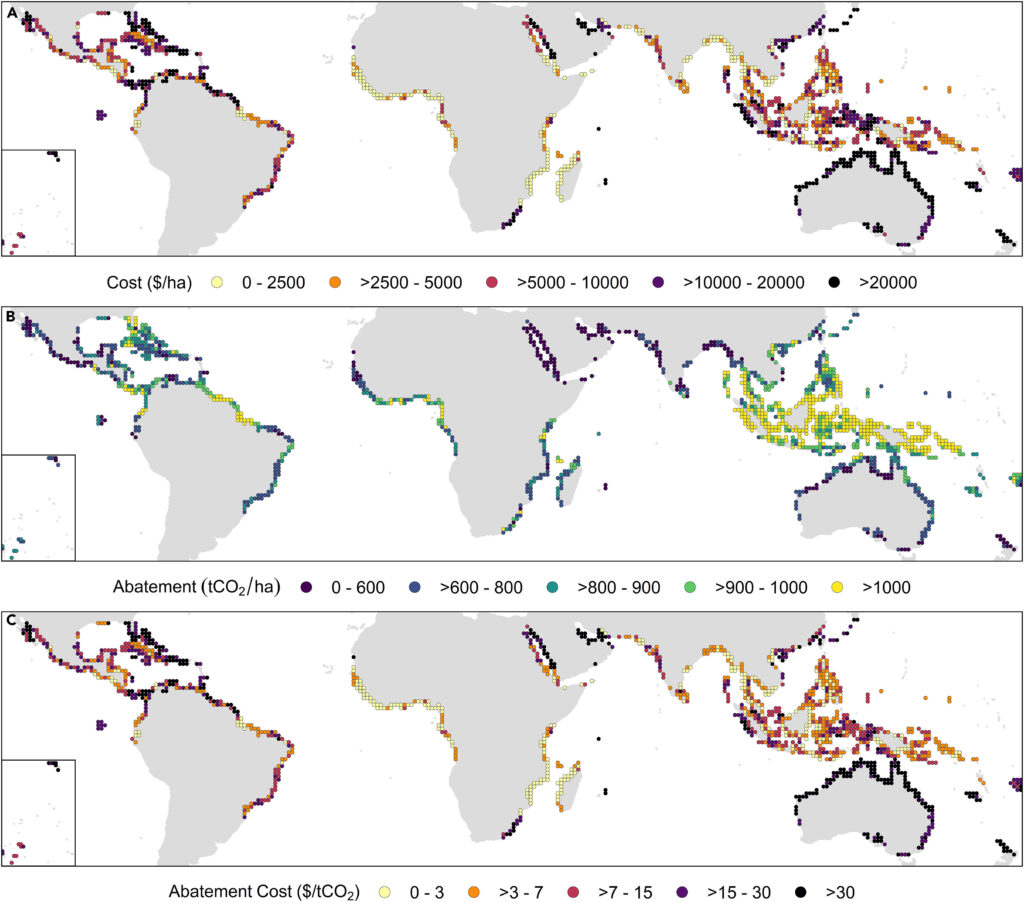
Global maps of restoration cost, carbon abatement potential, and abatement across potential global mangrove restoration sites. (A) Restoration cost ($ ha−1), (B) carbon abatement potential (tCO2 ha−1), and (C) abatement cost ($ tCO2−1). Data were summarized to 1° cells using the area-weighted mean across areas of potential mangrove restoration in each cell.


Still, this cost model offers a tool for prioritizing investment. Where resources are scarce and climate ambitions high, identifying the most cost-effective hectares could help steer restoration efforts toward both fiscal prudence and environmental payoff.

CITATION: Garrett M. Goto et al. Implementation costs of restoring global mangrove forests. One Earth
Volume 8, Issue 7, 18 July 2025, 101342. https://doi.org/10.1016/j.oneear.2025.101342

Videos capture an unlikely alliance between ocelots and opossums in the Amazon

In the Peruvian Amazon, a series of curious encounters has left biologists scratching their heads. Camera traps have captured an unexpected partnership: solitary, nocturnal ocelots (Leopardus pardalis) strolling alongside common opossums (Didelphis marsupialis). Not once, but four times, in distinct locations over several years, the feline predator and its potential prey were seen moving together—sometimes even returning along the same path minutes later, still in tandem. The opossum, far from appearing alarmed, showed no signs of distress.

This behavior is not only puzzling; it is without precedent. Associations between solitary carnivores and omnivores—especially those that occasionally dine on one another—are vanishingly rare. Yet further evidence suggests this pairing is more than happenstance. In field experiments, opossums showed a distinct preference for the scent of ocelots over that of pumas or neutral controls. They lingered, sniffed, and rubbed themselves against the ocelot-scented fabrics, as though seeking some form of chemical communion.

Why cozy up to a cat that might eat you? The researchers suggest two possibilities: improved foraging efficiency or olfactory camouflage. Opossums may benefit from the ocelot’s hunting prowess, while the ocelot may gain from masking its scent with the opossum’s pungency. There is precedent in the animal kingdom: coyotes and badgers have been known to hunt cooperatively, trumpetfish hide behind larger fish to ambush prey, and some marsupials resist snake venom—knowledge the ocelot may intuitively exploit.

Whether this is mutualism, manipulation, or mere curiosity remains unknown. But the discovery is a reminder of how little is understood about rainforest dynamics. Even in well-trodden ecosystems, the wild has secrets yet to reveal—one cautious step at a time.

CITATION: Ettore Camerlenghi et al (2025). Beyond predator and prey: First evidence of an association between ocelot and opossum individuals. Ecosphere. https://doi.org/10.1002/ecs2.70322

Global forest mapping missed 396 million hectares of trees

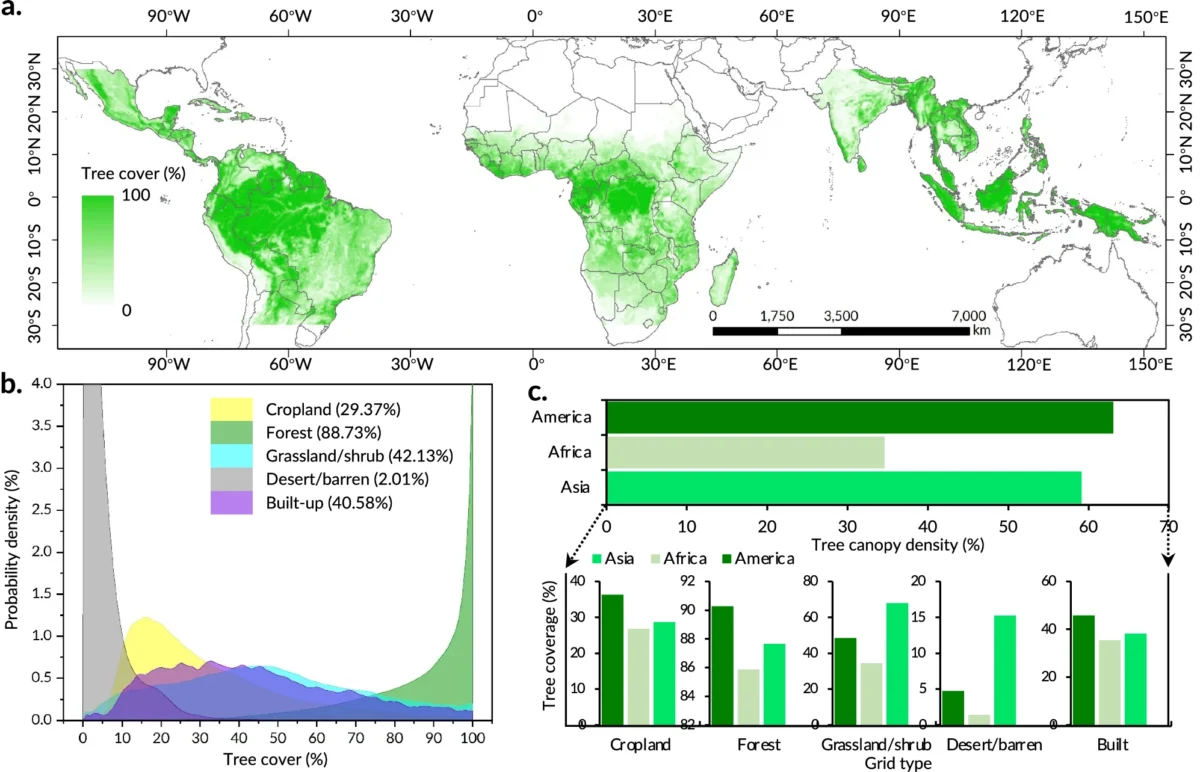
Despite mounting global pledges to stem deforestation, a new study published in Nature Communications finds that 17% of tropical tree cover—nearly 396 million hectares—has gone overlooked by mainstream forest monitoring systems.

Using high-resolution satellite imagery and machine learning, an international team of researchers has mapped this previously undetected tree cover (PUTC), revealing that significant changes are taking place well beyond the traditional forest frontier.

Between 2015 and 2022, net tropical tree cover shrank by more than 61 million hectares. While most of that loss occurred in forests, over a third happened in areas not typically classified as forest: Croplands, grasslands, and urban spaces. These are precisely the areas where existing tools such as the World Cover dataset, with its 10-meter resolution, tend to fail.

“Neglecting scattered trees has led to a systematic underestimation of ecological degradation,” said Liu Shidong, the study’s lead author, via a Chinese Academy of Sciences press release.

The study found that 54% of tree cover loss was linked to land-use change and deforestation, while 44% of gains were driven by increased rainfall. Human activity—including logging and expansion of agriculture—emerged as the dominant driver of decline. The most substantial gross losses occurred in Brazil, Indonesia, and the Democratic Republic of Congo.

Beyond simply identifying losses, the research highlights a mismatch between deforestation data and restoration goals. In 2021, 141 nations pledged to halt forest loss by 2030 under the Glasgow Declaration. Yet the study recorded a gross gain in tree cover of just 6.2 million hectares across the tropics, barely a tenth of what was lost. Brazil, for instance, gained only 1.36 million hectares over the eight-year period, far short of its Bonn Challenge target of restoring 4.28 million.

Much of the newly detected cover sits in places long classified as treeless. In Africa, for example, more than a quarter of shrubland and grassland tree cover had been missed. In Asia, significant PUTC was found in croplands and cities. These trees matter: they sequester carbon, cool microclimates, and sustain livelihoods.

The methodology, which achieved 97.3% accuracy, could offer a more consistent and scalable way to track global tree dynamics, argue the authors.

“Fine-scale mapping is essential for credible climate mitigation,” said Wang Li, the project’s principal investigator, in the release.

The findings call into question long-standing assumptions about where trees grow—and where they are disappearing. In the battle against climate change, it seems, the world has been flying partially blind.

🔬 Shidong Liu et al, Mapping previously undetected trees reveals overlooked changes in pan-tropical tree cover, Nature Communications (2025). https://www.nature.com/articles/s41467-025-60662-z

The guardians of the Amazon who work without pay—and without fear

In a corner of the rainforest where Colombia meets Peru and Brazil, the hum of chainsaws and gunfire never quite dies. Yet in the shadows of this long emergency, a sublter resistance endures. Its front line is not marked by barricades or armed patrols, but by walking sticks carved from peach palm and a deep, unshakable intimacy with the land, reports Daniela Quintero Díaz.

Luis Alfredo Acosta has walked this path for 35 years. A member of the Nasa people and national coordinator of the Indigenous guard under the National Indigenous Organization of Colombia (ONIC), he speaks with clarity shaped by decades of witnessing promises deferred and communities displaced.

“Although these appear to be isolated things… it really is an integral resistance,” he said. “Because at its core, all of this only works if there is land.”

In Colombia’s Amazon region, “resistance” is neither metaphor nor battle cry. It is physical: Guarding against armed groups, illegal loggers, and narcotraffickers. It is intellectual: Preserving ancestral knowledge and mapping sacred sites. It is spiritual: Sustained through rituals and the use of yagé. And it is cultural: Enacted in daily life through small farms, seed banks, and forest patrols.

That these efforts persist amid violence is remarkable. Of the 1,411 human rights defenders killed in Colombia over the past decade, at least 70 were Indigenous guards. In many areas, the state has withdrawn: 11 protected zones in the Amazon are now inaccessible to park rangers due to armed conflict. Yet forests within Indigenous territories remain largely intact, with 98% cover — a fact both defiant and tragic.

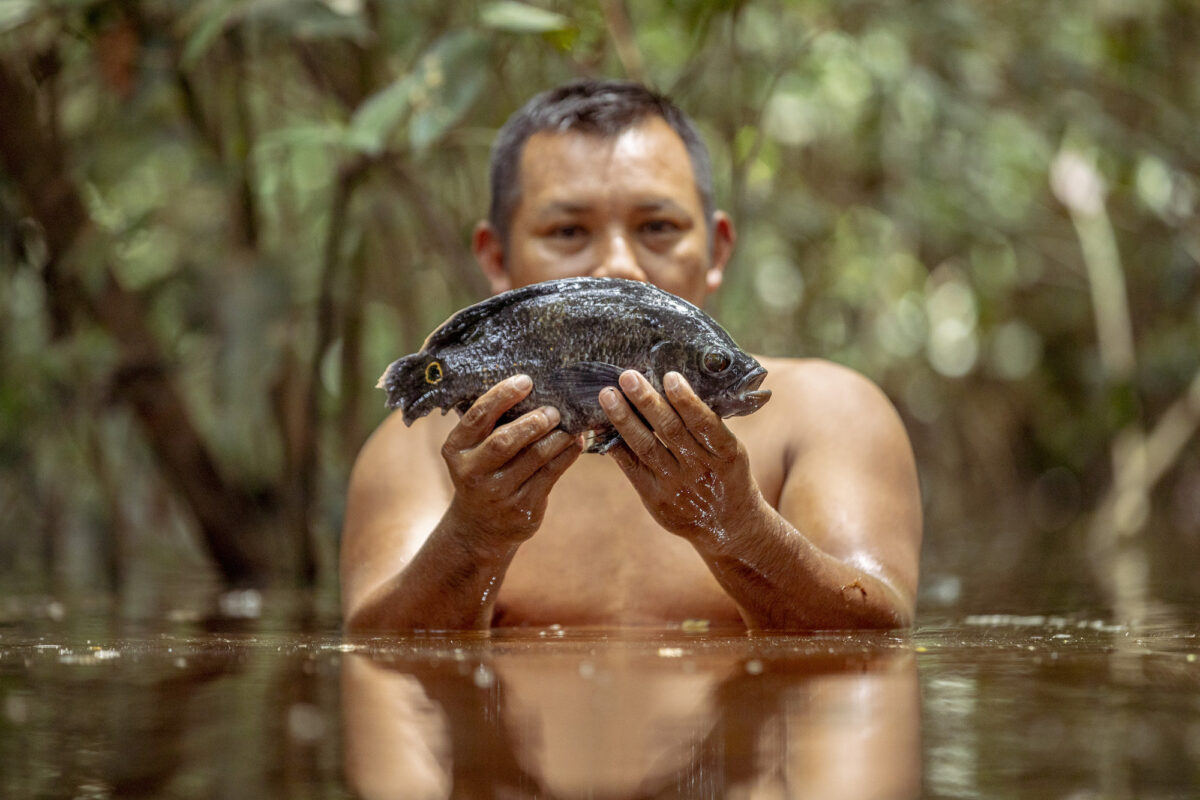
The guards, often unpaid, rely on collective will more than resources. In Putumayo, the Siona community has removed mines and monitored vast forest tracts. In Guainía, fishers have transformed kitchens into labs, contributing to national fishery policies. In Amazonas, communities reforest thousands of hectares using knowledge handed down through generations.

The state’s support has been halting. President Petro’s National Development Plan pledged to strengthen Indigenous guardianship, but funding has been piecemeal. For guards like Olegario Sánchez of the Tikuna, even basics like radios or canoes are scarce.

“If we leave the territory,” a Siona guard warned, “we get closer to dying. If a root dies, its essence dies. And the principle of a community dies.”

In the Amazon, the forest still stands. But its fate — and that of its guardians — hangs in the balance.

How one woman rose from porter to conservation leader

In the damp undergrowth of Cameroon’s Lobéké National Park, where forest elephants slip through the forest unheard and gorillas emerge with the dusk, one woman charts a course both personal and profound.

Marlyse Bebeguewa was once just a name on the roster of porters, hauling gear for others. Today, she is at the forefront of conservation in one of Central Africa’s richest but least accessible protected areas, report David Akana and Yannick Kenné.

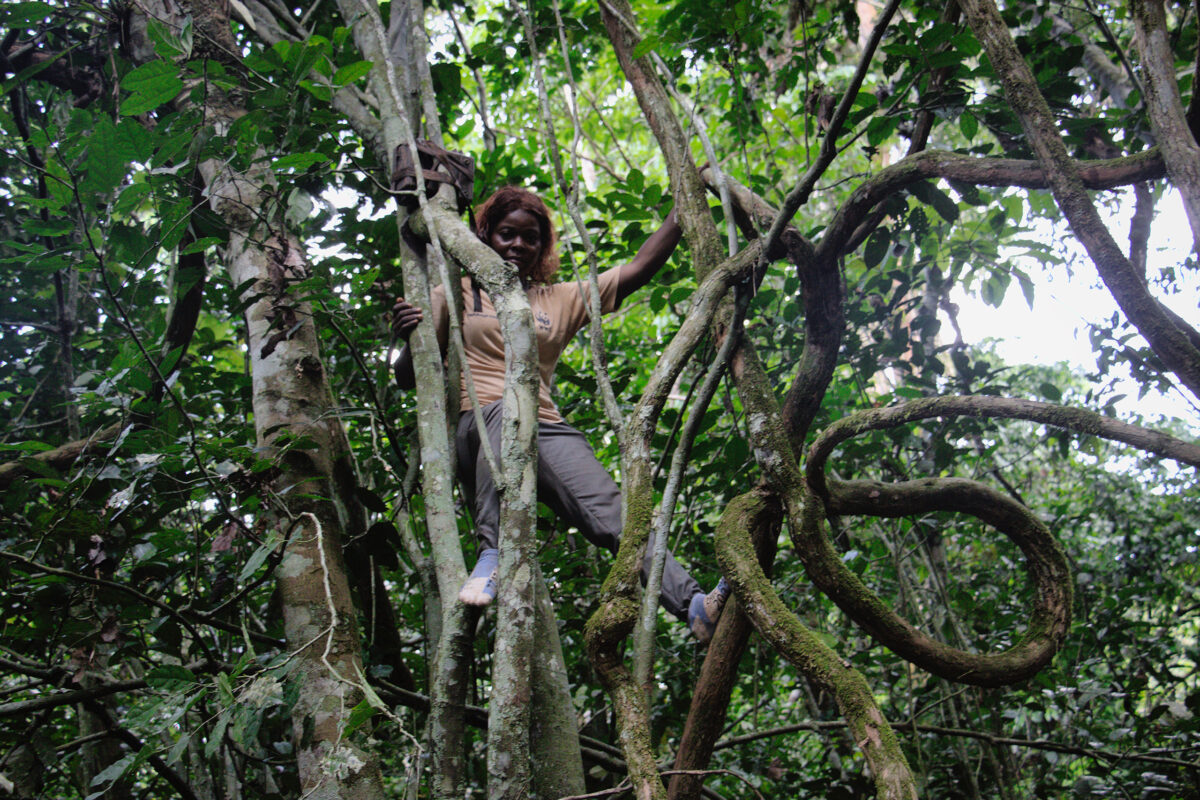
Born in 1987 into a Bantu family, Bebeguewa was raised by her mother after her father died assisting scientists in the forest. Financial hardship forced her to leave school early. But rather than succumb to circumstance, she followed a trail—both literal and metaphorical—blazed by her father. At 18, she took a job as a porter. A year later, she trained as a guide. By 2014, when Lobéké’s management sought ecological monitoring assistants, she was the only woman selected—and promptly made team leader.

Her rise, achieved without formal education beyond secondary school, reflects the latent capacity often overlooked in local communities. It is also an implicit rebuke to a conservation model that has historically marginalized Indigenous and local actors, especially women.

Now a consultant with WWF, Bebeguewa uses acoustic sensors and camera traps to track endangered species and detect threats, merging new technology with on-the-ground knowledge. She mentors other women and works to bridge divides between Bantu and Baka communities—relationships that remain fraught in a region marked by deep inequities.

Yet the barriers she confronts are not just cultural or gendered. Lobéké remains chronically underfunded, difficult to reach, and underutilized as a tourism asset.
“We need more communication tools,” she says, referring to the basic radios shared among teams.

Still, Bebeguewa endures. Her work is both an act of remembrance and an investment in the future. She has built a home, educated her children, and dreams of a day when her descendants might take up the same cause.
“Even if I’m no longer working there someday, I hope my children or grandchildren will continue in this field.”

Conservation, for her, is not an abstract endeavor. It is daily, physical, communal.

And it begins, as hers did, with the simple act of showing up.

Camera traps and Indigenous knowledge help confirm presence of ‘lost’ echidna species

Thought extinct for over six decades, Attenborough’s long-beaked echidna—a spiny, egg-laying mammal known locally as payangko—has made a dramatic return to science.

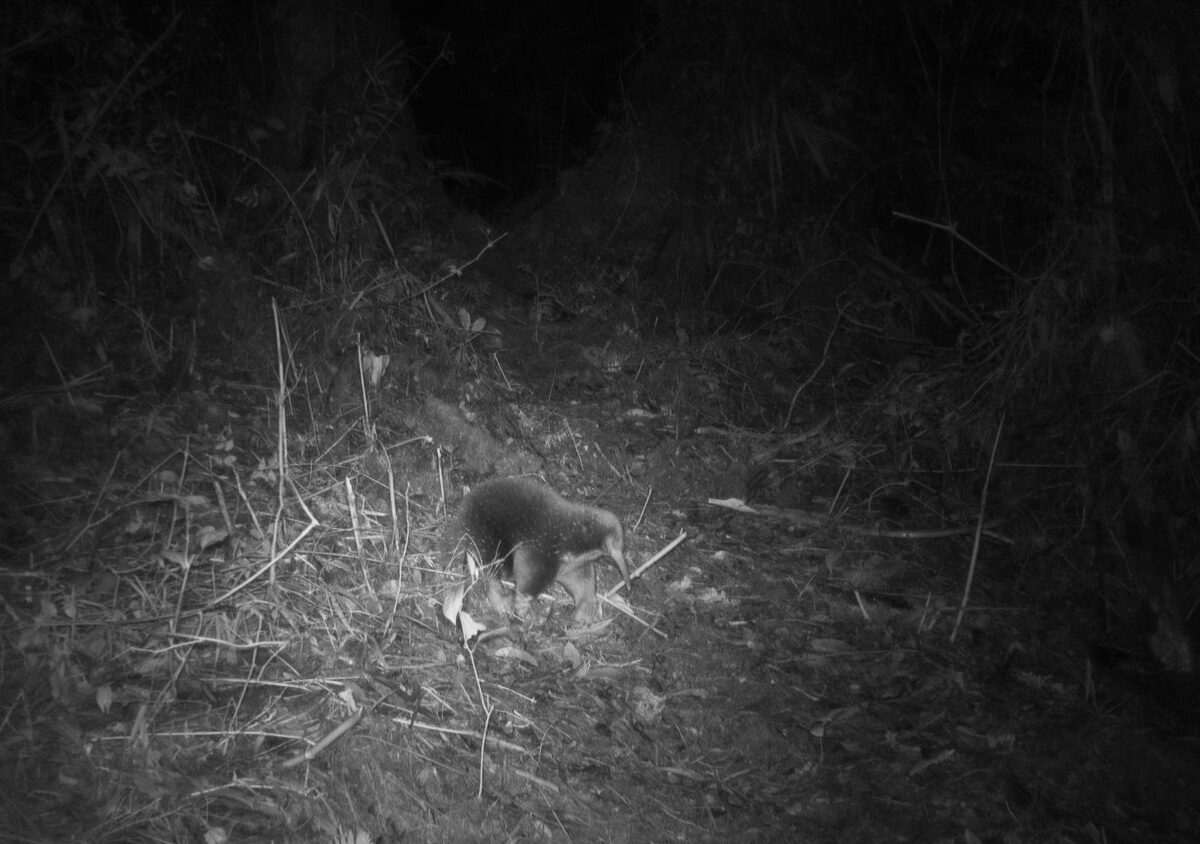
Captured on camera traps deployed between 2022 and 2023 in Indonesia’s Cyclops Mountains on the island of New Guinea, the elusive monotreme was last scientifically documented in 1961, when a lone specimen was collected.

A recent study confirms the findings, which stemmed from a collaboration between researchers, Indigenous communities, and local agencies, reports Kristine Sabillo Guerrero.

Named after the famed naturalist David Attenborough, Zaglossus attenboroughi is one of five extant monotreme species and is listed as critically endangered. The new evidence—110 photographs and 15 videos—includes signs of possible courtship behavior, a promising signal for its continued survival.

“Encouraging evidence that the population is breeding,” noted co-author James Kempton of the University of Oxford.

The study underscores the central role of Indigenous knowledge in the discovery.

“We would not have succeeded without their support and input,” said Malcolm Kobak of YAPPENDA, a local NGO.

With funding and research limited in Indonesian New Guinea, the authors hope this rediscovery spurs conservation action—and a deeper recognition of the value of local stewardship and knowledge.

No contact, no conflict: Protecting South America’s invisible peoples

In Brazil and across the Amazon Basin, a growing body of evidence confirms what many Indigenous communities have long known: hundreds of voluntarily isolated Indigenous groups continue to live deep in the forest, avoiding contact with the outside world. But for decades, their existence was denied or ignored by states, leaving them legally invisible and their lands open to extraction, deforestation, and exploitation.

That is slowly changing. A new 302-page report—launched in April 2025 at the U.N. Permanent Forum on Indigenous Issues—offers a scientific framework for recognizing these groups without violating their autonomy.

Antenor Vaz, a veteran expert on isolated and initially contacted peoples (PIACI) who recently spoke with Aimee Gabay, co-authored the report with input from national Indigenous organizations such as AIDESEP in Peru. It catalogs 188 records of voluntarily isolated peoples in South America—yet just 60 are officially recognized by states.

Recognition matters. Without legal recognition, Indigenous peoples have no claim to territory, protections, or voice.

As Vaz puts it: “They have no rights because they do not exist for the state.”

Denial, he warns, is often politically motivated: once land is acknowledged as inhabited, it must be protected. That complicates plans for agribusiness, mining, and logging.

The report outlines both “direct” and “indirect” methodologies for evidence-gathering—from satellite imagery and field expeditions to local Indigenous knowledge. While states tend to privilege Western scientific methods, Vaz stresses that Indigenous trackers and shamans often provide the most accurate data. Their knowledge, he argues, is holistic, drawing on spiritual and ecological cues beyond the grasp of many Western institutions.

The implications go beyond Indigenous rights. Isolated peoples are entirely dependent on intact ecosystems. Their continued survival requires forests to remain undisturbed, making them natural stewards of biodiversity.

“For isolated peoples,” Vaz notes, “the forest is their pharmacy, supermarket, school, and city.”

Protecting their land helps protect the Amazon—and, by extension, global climate stability.

The report offers 11 core principles, including the foundational rule: No contact. That principle, enshrined in Brazil’s 1988 Constitution, has become a model for others.

As states weigh economic growth against Indigenous survival, Vaz says this document serves as a guide for navigating that fraught terrain—scientifically, ethically, and lawfully.

The Ugandan botanists climbing to save Africa’s forests

In the quest to restore Africa’s threatened forests, seed collectors are learning to ascend towering trees, sometimes over 50 meters tall, to gather the perfect seeds, reports Ruth Kamnitzer. This method is not only an art but a necessity in a world where many native tree species face extinction.

Sebastian walaita javan, curator at Tooro Botanical Gardens in Uganda, has spent over 25 years perfecting the technique of high tree climbing to collect seeds, teaching others to follow in his footsteps. In a team of three, climbers use ropes, harnesses, and spurs to scale massive trees, collecting mature seeds from the canopy before returning to the ground. The practice is integral to the African Forest Landscape Restoration Initiative (AFR100), which aims to restore 100 million hectares of land by 2030.

Native species are critical to maintaining biodiversity, but collecting their seeds is not without challenges. Walaita explains that seeds found on the ground are often too old, contaminated, or too immature to germinate. Climbing the trees is the only way to access the healthiest seeds at the right time—seeds that could hold the key to preserving endangered species. Yet, many local botanists struggle to reach high branches without proper training or equipment.

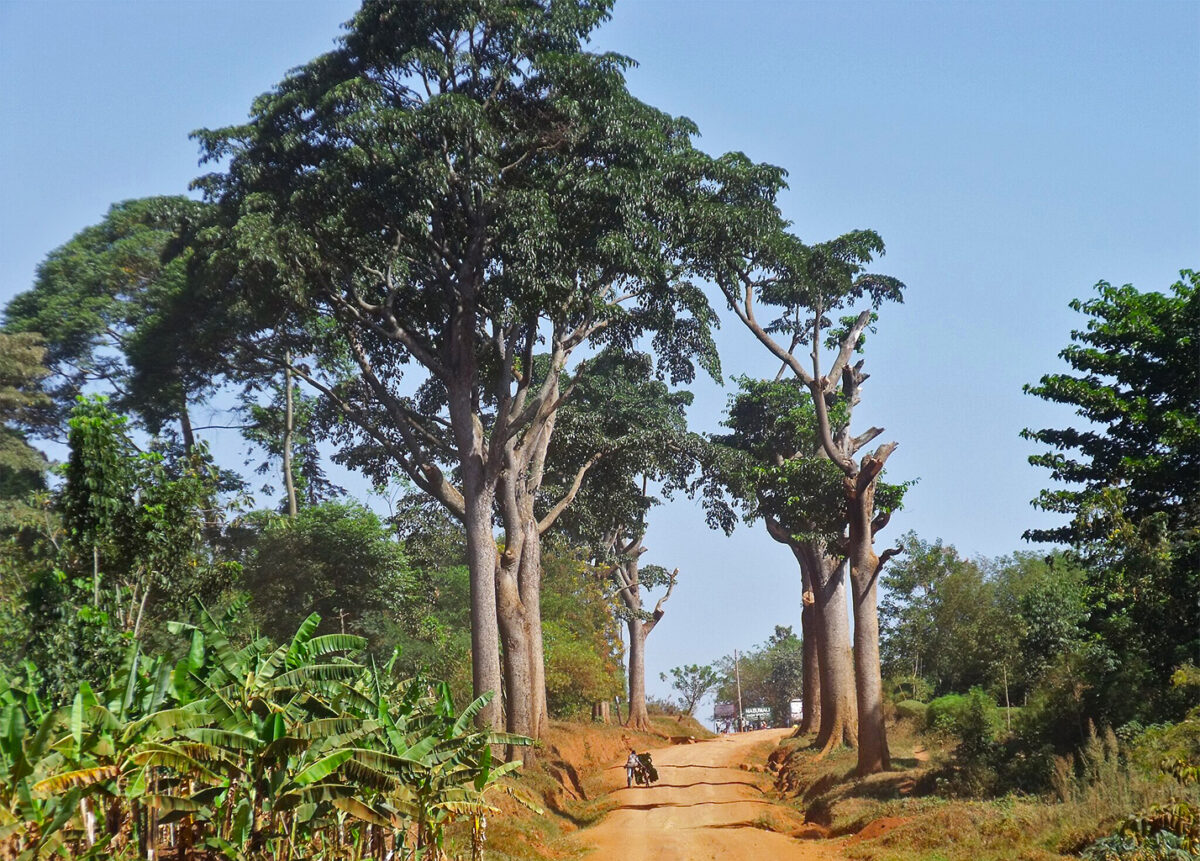
In September 2024, Walaita took his skills to Côte d’Ivoire, where he trained Ivorian botanists on how to safely harvest seeds from tall trees for reforestation efforts, focusing on native species. This is part of a wider movement to shift from planting non-native species like teak to those that are indigenous, more suited to the local ecosystem, and crucial for long-term restoration.

As reforestation efforts grow, so does the need for safe, sustainable ways to collect seeds and promote biodiversity. With the right training the next generation of tree climbers may have the tools to restore the forests that sustain Africa’s wildlife and people.

First-ever photo of clouded leopard eating a slow loris captured in India

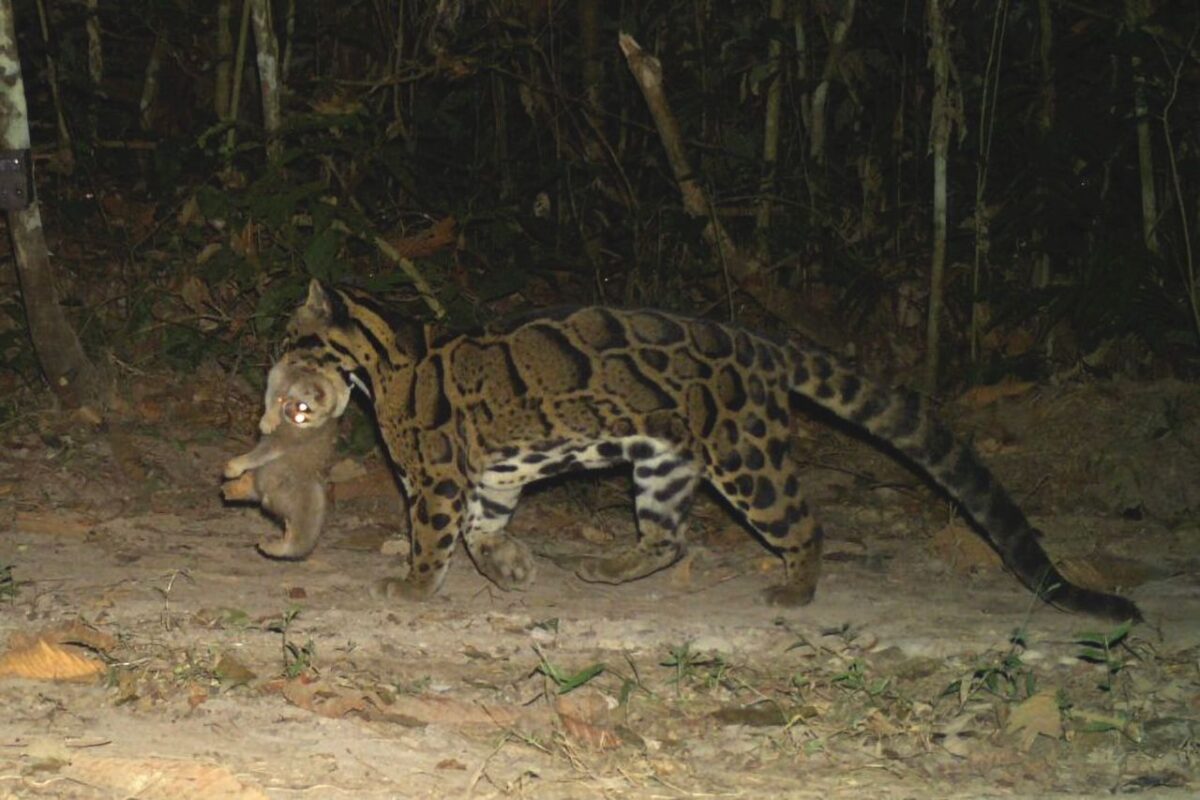
In December 2024, a camera trap deep in Assam’s Dehing Patkai National Park recorded something never before seen: a clouded leopard carrying a Bengal slow loris in its jaws. The image, shared widely on social media by Assam’s Forest Minister, made waves in conservation circles—and not just for its novelty. It provides the first photographic evidence of this predator-prey interaction, offering vital insights into the diet of a notoriously elusive cat, reports Nabarun Guha.

Both species are nocturnal and arboreal, rendering direct observation almost impossible. “This finding contributes to our understanding of predatory behavior and diet,” said Bilal Habib of the Wildlife Institute of India, which led the study. Clouded leopards are believed to prey on a wide range of animals, but hard data in the Indian context has been sparse.

Dehing Patkai is India’s only protected area known to shelter eight wild cat species. That a single photo captured two of its shyest residents highlights the park’s ecological richness—and the importance of ongoing conservation efforts. As forests shrink and threats rise, such glimpses into the lives of hidden species become both rarer and more crucial.